

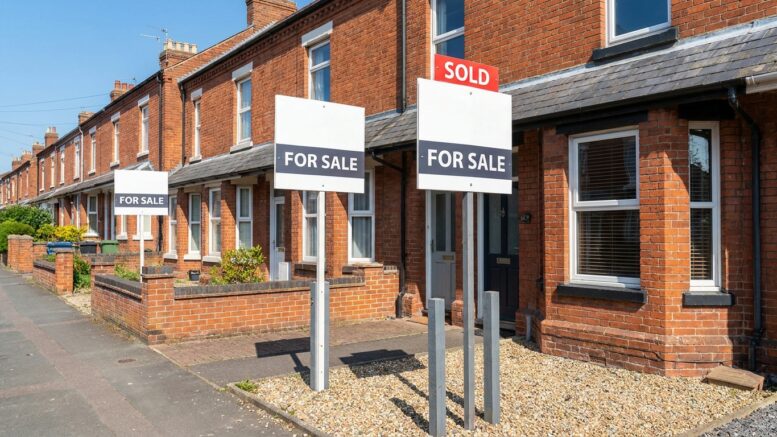
Lloyds has reported UK house prices fell 0.6 percent in October to an average of £296,285, leaving values 1.2 percent lower than a year earlier.
The annual fall is the sharpest since October 2023 and marks a clear step down from recent months. Prices also dropped 0.5 percent across the latest quarter, adding to signs that higher borrowing costs are now biting harder.
Cheaper purchase prices cut both ways for investors. Lower entry points can lift future yields, but five-year fixed mortgage rates near 5.5 percent and a Bank Rate of 4 percent mean deals must still pass tougher affordability tests.
High mortgage costs squeeze buyer demand
Andrew Assam, mortgages director at Lloyds, said demand was being tested by a difficult economic backdrop. “UK house prices fell by 0.6 percent in October, a larger drop than in recent months, taking the average property price down to £296,285,” he said.
He pointed to renewed inflation pressure, driven in part by conflict in the Middle East, which is keeping borrowing costs high and squeezing household budgets. Some buyers have turned cautious as a result, he said.
Rightmove data published on the same day showed buyer demand down 10 percent and sales agreed down 9 percent, with record stock levels adding pressure on asking prices. Average asking prices were 0.3 percent lower at the end of October than a year earlier.
Supply builds as sales slow
This follows Landlord Knowledge’s report on Savills forecasting a 1.5 percent price fall in 2027, which also pointed to mortgage rates staying near or above 5 percent until early 2028. The latest Lloyds figures suggest that pressure is already showing in completed price data.
Connells still expects modest price growth next year, which underlines how wide the range of forecasts has become. The split in forecasts matters less than the direction of finance costs, which remain the main brake on activity.
Lloyds said prices have changed relatively little over the past two years as the market adjusted to higher rates. It does not expect a sustained period of falling prices, pointing to wage growth running ahead of price growth, which should slowly narrow the gap between earnings and values. The figures were published in the Halifax House Price Index series from Lloyds Banking Group.
What this means for landlords
- If you plan to buy: softer prices can improve day-one yields, but price any offer against a 5.5 percent five-year fix and a tougher stress test, not last year’s rates.
- If you plan to remortgage: a lower valuation can shift your loan-to-value band and price, so check your current value before you apply.
- Watch for: sellers accepting larger discounts as stock builds, which can open below-asking deals in slower southern markets first.
- Yields before growth: with capital growth on hold, focus on rent cover, voids and running costs rather than betting on price rises.
- Bottom line: buying conditions are easing on price but tightening on finance, so cash buffers and fixed-rate certainty matter more than timing the bottom.
Editor’s view
Falling prices help patient buyers, yet dearer debt takes most of the gain away. Landlords who can act without stretched borrowing hold the edge while rate pressure lasts.
Author: Editorial Team – UK landlord and buy-to-let news, policy, and finance
Published: 06 November 2026
Sources: Lloyds Banking Group, Halifax House Price Index
Related reading: Savills warns house prices to fall 1.5% in 2027