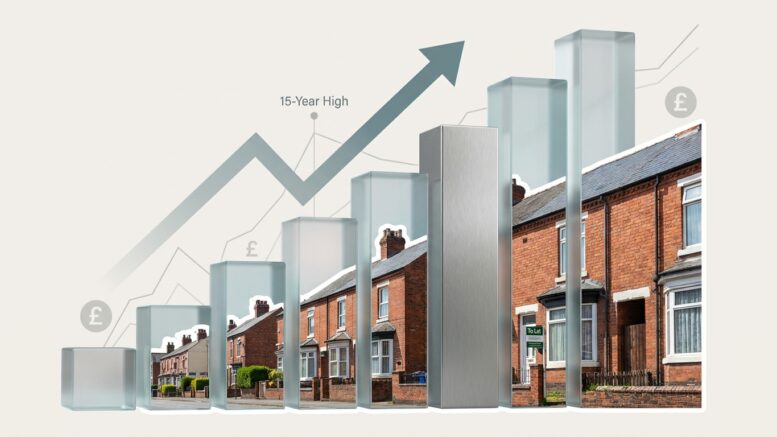
Average buy-to-let yields climbed to 7.22 percent in the third quarter of 2026, the highest level since the first quarter of 2011, according to new data from Paragon Bank.
The figure marks a 0.22 percentage point rise on the previous quarter and sits 0.28 percentage points above the typical yield recorded in the same period last year. Paragon said yields have been rising since 2022, driven by subdued house price growth alongside sustained demand for private rented homes.
For investors weighing purchases against refinancing costs that remain well above the lows of the last decade, the steady climb in rental returns changes the maths. Higher gross yields do not erase mortgage costs or tax bills, but they give landlords more headroom when stress-testing deals at current rates.
East Midlands leads regional yields at 8.1 percent
The East Midlands recorded the strongest average yield at 8.1 percent, up 0.55 percentage points both on the quarter and year on year. The North East followed at 8.02 percent, with Scotland at 7.95 percent and the North West at 7.88 percent.
Greater London posted the lowest average yield at 5.79 percent, though even the capital improved, rising 0.23 percentage points on the quarter and 0.17 percentage points on the year. The gap between London and the top-performing regions now stands at more than two percentage points, underlining how far local property values shape returns.
Louisa Sedgwick, managing director of mortgages at Paragon Bank, said the figures showed the appeal of well-run rental property. “Buy-to-let yields reaching their highest level since 2011 demonstrates the attractive returns that well-managed rental property can continue to generate,” she said. “The increase reflects the balance between property values and rental income, with more subdued house price growth combining with strong demand for rented homes across many parts of the country.”
HMOs deliver 8.8 percent as flats post fastest growth
Houses in multiple occupation continued to produce the highest returns of any property type, with an average yield of 8.8 percent. That was marginally down, by 0.06 percentage points, on the previous quarter, but up 0.37 percentage points on the year.
Multi-unit blocks averaged 7.36 percent, while flats averaged 6.66 percent and terraced homes 6.46 percent. Flats recorded the fastest annual improvement of any segment, with yields up 0.4 percentage points year on year, while multi-unit blocks rose 0.34 percentage points over the same period.
Sedgwick said the regional split showed why location choice mattered. “The regional figures also show why landlords carefully consider local market conditions when investing,” she said. “Areas with more affordable property values and sustained tenant demand can offer particularly attractive yields, as we see in the East Midlands and across the North of England.”
This follows Landlord Knowledge’s report on Fleet’s rental barometer, which found average yields of 7.9 percent alongside growing portfolio sizes in the third quarter. Taken together, the two lender datasets point to a rental market where gross returns keep grinding higher even as landlord costs stay elevated. The Redwood Bank finding that East Midlands landlord investment rose 15.1 percent fits the same pattern, with investors following the strongest regional returns.
What this means for landlords
- If you’re buying now: target areas where subdued prices and firm rents combine – the East Midlands and North East currently show the widest margin at above 8 percent.
- Watch for: HMO yields dipping slightly on the quarter even as they lead overall – factor licensing costs and management time before chasing the headline 8.8 percent.
- Bottom line: gross returns are at a 15-year peak, but net profit still depends on your mortgage rate, tax position and void record.
Editor’s view
Stronger yields are welcome, but they are a symptom of the same squeeze tenants feel: rents rising faster than prices. Landlords should treat the 7.22 percent as breathing room to fix finances and upgrade stock, not as a signal to overpay.
Author: Editorial Team – UK landlord & buy-to-let news, policy, and finance
Published: 12 October 2026
Sources: Paragon Bank, Mortgage Strategy
Related reading: Fleet: landlord portfolios rise to 18 as yields hit 7.9%