

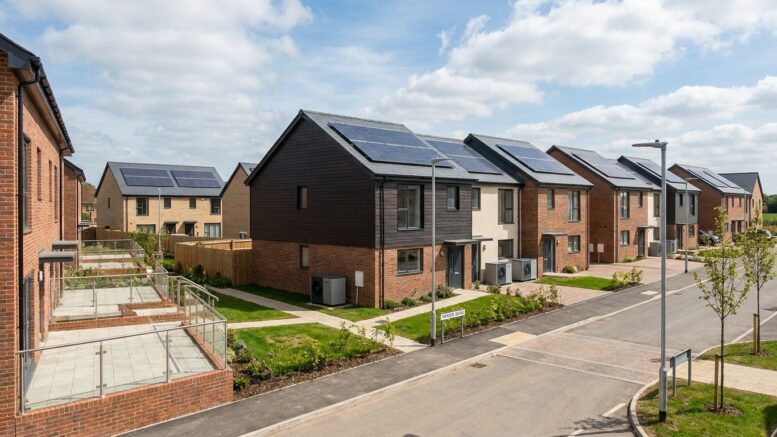
Propertymark says the Future Homes and Buildings Standards will reshape homes entering the rental market from 24 March 2027, with most new-build properties in England expected to use low-carbon heating and include renewable electricity generation.
The trade body says the new rules will bring tighter minimum requirements for energy efficiency, heating, ventilation and information given to occupiers. In practice, that means many new homes will need heat pumps or low-carbon heat network connections instead of gas, while rooftop solar is expected to become a legal requirement in most cases.
Landlords buying newer stock next year will be dealing with a different kind of asset from day one. The issue is no longer just EPC ratings on paper, but whether modern heating, ventilation and solar systems are installed properly, explained clearly and able to deliver the lower running costs tenants will expect.
March 2027 start date brings new-build shift into view
The standards and supporting guidance are due to take effect for most building work on 24 March 2027. Propertymark says the aim is to cut future retrofit costs by ensuring new homes are built with lower-carbon heating and stronger energy performance from the outset.
The organisation also points to practical risks if delivery falls short. A heat pump or ventilation system that is badly installed, badly commissioned or poorly explained to occupiers may not produce the bill savings or comfort levels promised on paper.
This follows Landlord Knowledge’s coverage of warnings over handovers in low-energy rental homes, which found landlords may face avoidable complaints if tenants are left to work out unfamiliar systems on their own. The latest update adds a hard implementation date and makes clear that the next wave of new rentals will increasingly rely on those technologies.
Landlords also face a hotter-homes reality
Propertymark links the standards debate to overheating risk, citing Climate Change Committee estimates that 92 percent of UK homes could face overheating risk by 2050 without further adaptation. It says agents and landlords will need clearer explanations for tenants around ventilation, shading and how modern systems should be used.
That sits alongside the existing pressure on older stock, where landlords are already weighing upgrade costs before the 2030 EPC C deadline. Readers tracking that issue may also want to revisit Landlord Knowledge’s recent report on EPC progress among HMO landlords, which showed how uneven upgrade readiness still looks across the sector.
What this means for landlords
- If you’re buying new-build rentals: check how heat pumps, ventilation and solar systems are specified, commissioned and handed over before completion.
- Watch for: March 2027 as the point when many new homes entering the market begin to reflect the tougher standard by default.
- Bottom line: better-performing homes should reduce future retrofit risk, but only if the systems work properly in real occupation.
Editor’s view
Landlords often think of energy rules as a problem for older stock, but the next regulatory shift also changes what good new stock looks like. The winners will be investors who understand these systems before they buy, not after a tenant starts asking why the home does not perform as expected.
Author: Editorial Team – UK landlord & buy-to-let news, policy, and finance
Published: 27 August 2026
Sources: GOV.UK, Climate Change Committee
Related reading: Future Homes Hub warns low-energy rentals need better handover
🏠 EPC Rules for Landlords: What You Need to Know
Minimum EPC C required by 2030 – new assessment rules from late 2027