Zurich UK has investigated 17 cannabis farm-related insurance claims worth a combined £9.4m since January 2022, warning that landlords can face months of repair work after criminal growers leave a property.
New figures from the insurer show fire and rescue services attended 54 suspected or identified cannabis farms in 2024, up from 17 in 2015. Freedom of information responses collected from 21 services recorded a further 50 attendances in 2025.
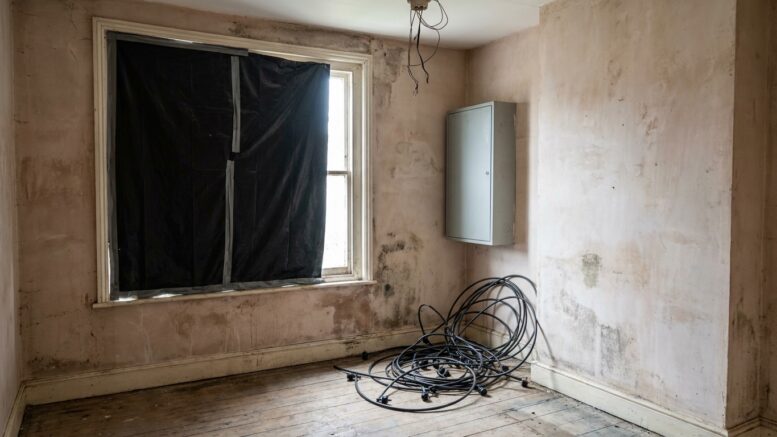
The claims warning puts the financial risk beyond the immediate criminal issue: unsafe electrical alterations, irrigation damage, damp, mould and structural changes can leave a rental home unusable long after the police have intervened.
Damage can run beyond the insurance claim
Zurich says its major-loss team has examined claims involving dangerous rewiring, water damage from growing equipment and alterations intended to conceal cultivation. Its warning covers commercial premises as well as rented homes, where organised groups may present an apparently legitimate tenancy or business operation.
Stewart Powell, regional major loss lead at Zurich UK, said the full damage was often uncovered only when a cannabis farm had been found. He said fire was frequently only one part of the loss, with reinstatement bills capable of reaching hundreds of thousands of pounds.
The insurer’s findings arrive a day after Landlord Knowledge reported that fixed-wiring fires in England reached a 16-year high. A cannabis farm is not a typical electrical fault, but altered circuits and high-load equipment make a current electrical inspection condition report particularly important where there are warning signs.
Inspections are the practical control
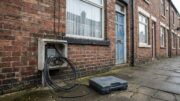
Landlords cannot eliminate the risk by taking a deposit or conducting a reference check. Regular, properly documented inspections give an owner a chance to spot unusual condensation, covered windows, tampered meters, persistent extractor noise or unexplained changes to access arrangements before damage grows.
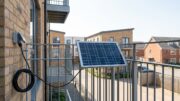
This follows Landlord Knowledge’s 3 September warning on electrical safety checks for plug-in solar equipment. The common point is not the technology itself, but the need to investigate unauthorised electrical changes rather than treating them as a routine maintenance issue.
Landlords should not enter without observing the tenancy agreement and legal notice requirements. If there is a credible concern about criminal activity or an immediate safety threat, they should contact the police, their insurer and a qualified electrician rather than trying to investigate equipment themselves.
Zurich’s cannabis fire-hazards guidance sets out the insurer’s evidence on fires and property damage linked to cultivation. The key limitation is that its £9.4m figure relates to the 17 claims investigated by Zurich, not a national total for landlord losses.
What this means for landlords
- Check inspection records: make sure routine visits are documented and comply with the tenancy agreement and notice rules.
- Act on electrical warning signs: report suspected meter tampering, burning smells or unauthorised wiring to the appropriate provider or emergency service.
- Review insurance: confirm what the policy requires after suspected illegal use, including the notification timetable and evidence needed for a claim.
- Keep EICRs current: a valid report does not prevent criminal use, but it provides a baseline for identifying later unauthorised alterations.
- Bottom line: early, lawful intervention is far cheaper than restoring a heavily altered rental property.
Editor’s view
Insurance is the backstop, not the control. The useful lesson in Zurich’s data is that a cannabis farm can create a long repair bill without a dramatic fire ever making the local news. Landlords need inspection records that would stand up to an insurer as well as a clear route for escalating a safety concern.
Author: Editorial Team – UK landlord & buy-to-let news, policy, and finance
Published: 17 September 2026
Sources: Zurich UK
Related reading: MHCLG: fixed-wiring fires hit 16-year high