

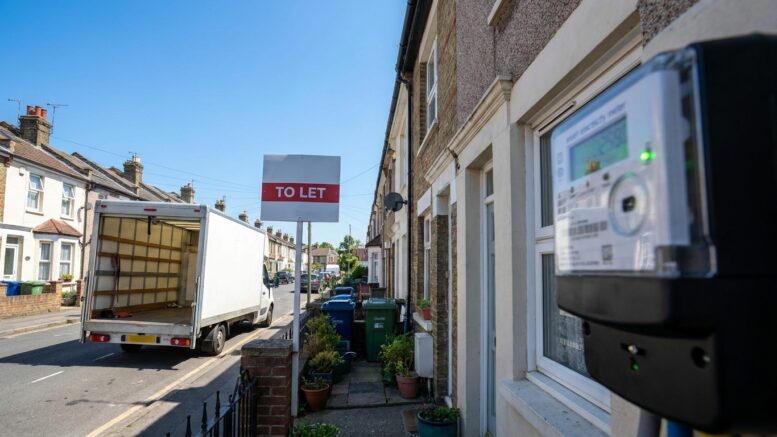
Ofgem says landlords could be forced to pay gas and electricity bills run up by tenants under home-moves plans published on Budget day on 28 October. Up to 40 percent of an estimated £6 billion in domestic energy debt has been built up by tenants who move without settling accounts, with total debt warned to reach £11 billion.
The watchdog’s consultation states the government will bring legislation to Parliament to place a new duty on landlords to give suppliers timely and accurate information when tenants move in or out. Its wording adds that where neither tenant nor landlord supplies the details, landlords may become liable for energy charges linked to the property, in a move it compares to existing water-bill rules in England and Wales.
Void periods and short turnovers now carry a direct billing risk that did not exist in this form before. The proposals landed on Budget day on 28 October and were first widely reported on 29 October, while ministers also confirmed £100 off bills for homes in council tax bands A to D and a write-off for some arrears since 2022 that will be spread across all bill payers.
New home-moves duty for landlords
Ofgem is consulting on changes to deemed-contract guidance covering what happens when a home has no named bill payer. The draft covers when suppliers may remotely switch a smart meter to prepay mode, how they must check suitability, what they tell new occupiers, and a grace period after any switch. Responses close on 9 December 2026.
The landlord element sits alongside that supplier guidance. Owners would need to make sure the supplier knows who is in the property at the start and end of each tenancy, closing the gap that lets debt attach to an address rather than a person. The pressure already seen in energy efficiency upgrade costs shows how energy rules keep adding to landlord balance sheets.
The full proposal is set out in the Ofgem consultation on the home-moves process, which names landlords and housing associations among those who should respond. The consultation is backed by the Department for Energy Security and Net Zero.
Debt crisis behind the proposal
Domestic energy debts stood at about £1 billion in 2020 before price surges pushed household budgets to breaking point. Suppliers then accelerated prepayment installations, with almost 100,000 homes forcibly switched under warrants and other smart meters moved to prepay mode remotely. Citizens Advice later reported record numbers going without heat or power because they could not top up.
After enforced prepayment fits were banned for vulnerable customers, debts accelerated to around £6 billion. Ofgem found many households cannot pay, but said others, mainly renters, can pay yet do not. That finding underpins the push to pin responsibility at the point of a move rather than chasing occupiers afterwards.
Ministers paired the consultation with Budget-day relief. Alongside the £100 payment, means-tested benefits claimants, disability benefit recipients and pension-credit holders with arrears built up since 2022 will see debts forgiven, with the cost spread across bills at roughly £5 a year on top of £67 already added to cover older debt. Industry analysts cautioned that one-off help slows new arrears but leaves the stock of unpaid bills in place.
This follows Landlord Knowledge’s report on Barclays findings that landlords put typical energy upgrade costs at £9,000, which showed energy compliance becoming a cash cost rather than a background rule. The parallels with concerns over the admin burden of the rental database are clear, as both require accurate property and occupier records kept to tight deadlines.
Timothy Douglas, head of policy at Propertymark, told The Telegraph there is a need to stop debt building up when tenants arrive or leave. “But we do not agree with the proposal that landlords may become liable for energy charges when it is tenants that have used and accumulated the debt,” he said.
What this means for landlords
- If you take voids between lets: treat supplier notification as part of check-out and check-in, not an afterthought, and keep dated proof of every update you send.
- If you use agents: write into the management agreement who tells the supplier on each move, and ask for written confirmation with meter readings and dates.
- If you run HMOs: set a clear bills-included or tenant-pays policy per room, record who is liable in the agreement, and photograph meters at each room change.
- Watch for: the 9 December 2026 response deadline, plus separate legislation to create the landlord duty, which would set the exact scope and penalties.
- Bottom line: missing paperwork could turn a tenant’s unpaid bill into your bill, so tighten move-day admin before the rules harden.
Editor’s view
Pinning energy debt to an address is tidy for suppliers but rough on owners who never used the power. Until the legislation lands, the only shield is paperwork sent on time and kept. Log the meter, name the payer, keep the receipt.
Author: Editorial Team – UK landlord & buy-to-let news, policy, and finance
Published: 03 November 2026
Sources: Ofgem, Department for Energy Security and Net Zero, Propertymark
Related reading: Barclays: landlords put energy upgrade cost at £9,000