The Chartered Institute of Housing and the Chartered Institute of Building have launched new damp and mould guidance for England’s housing sector, putting fresh emphasis on prevention, record-keeping and faster intervention as compliance pressure builds across rented homes.
The guidance was released on 2 September and lands as landlords, agents and housing managers prepare for tighter scrutiny of housing conditions ahead of wider hazard enforcement and the next phase of Awaab-related expectations.
Private landlords are not the only audience, but the timing matters because damp and mould disputes now sit much closer to enforcement, tribunal risk and reputational damage than they did a few years ago. Owners relying on patch repairs or vague inspection notes are likely to face a tougher test if complaints escalate.
New guidance puts prevention ahead of patch repairs
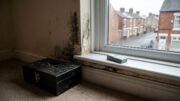
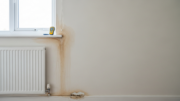
The new CIH and CIOB publication calls for damp and mould cases to be handled as building performance and resident safety issues, not one-off maintenance jobs. That means looking beyond surface treatment and examining ventilation, heating patterns, insulation, cold bridging, leaks and reporting history.
This follows Landlord Knowledge’s report on Awaab phase two adding seven hazards from 30 November and its coverage of MPs pressing for faster Decent Homes rules for landlords. The latest guidance adds practical detail to that broader direction of travel: the standard of evidence landlords keep is becoming almost as important as the repair itself.
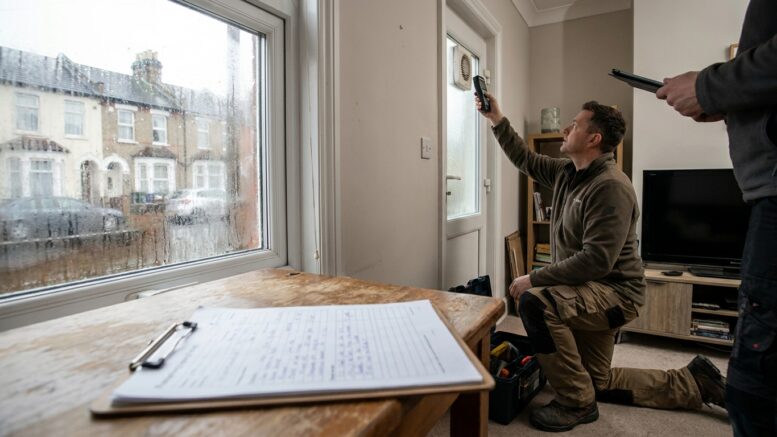
CIH and CIOB said the guidance is designed to help housing professionals identify root causes, record decisions clearly and avoid repeat failures. For landlords, that points to a more structured approach to inspections, contractor instructions and follow-up checks once work is completed. Tools such as Lettie can also support maintenance triage and help create a clearer audit trail from first report to final remedy.
Why documentation is moving up the risk list
One immediate consequence for private landlords is that damp and mould cases are harder to defend if the paper trail is weak. A landlord may believe a problem was addressed, but if there is no dated inspection record, no clear diagnosis and no proof that the resident was kept updated, the dispute can quickly turn against them.
That is especially relevant for older stock, converted flats and homes where condensation, underheating and fabric issues overlap. The new guidance signals that simple blame on tenant lifestyle is unlikely to carry much weight on its own where the building’s condition, layout or ventilation may also be part of the problem.
Landlords with self-managed portfolios may also need to review how quickly complaints reach decision-makers. Delays between a tenant report, contractor visit and final remedy can create the impression that a hazard was tolerated rather than managed.
What this means for landlords
- If you manage older or harder-to-heat homes: review inspection templates and make sure damp reports record likely causes, not just visible damage.
- Watch for: wider use of damp and mould evidence in enforcement and complaint cases as standards tighten later this year.
- Bottom line: prevention, diagnosis and written follow-up are becoming core compliance tasks, not optional good practice.
Editor’s view
Damp and mould is no longer a background maintenance issue that can be parked until the next visit. Landlords who treat it as a documentation and building-performance problem now are less likely to face bigger legal and financial trouble later.
Author: Editorial Team – UK landlord & buy-to-let news, policy, and finance
Published: 3 September 2026
Sources: Chartered Institute of Housing, Chartered Institute of Building
Related reading: Awaab phase two adds seven hazards from 30 November