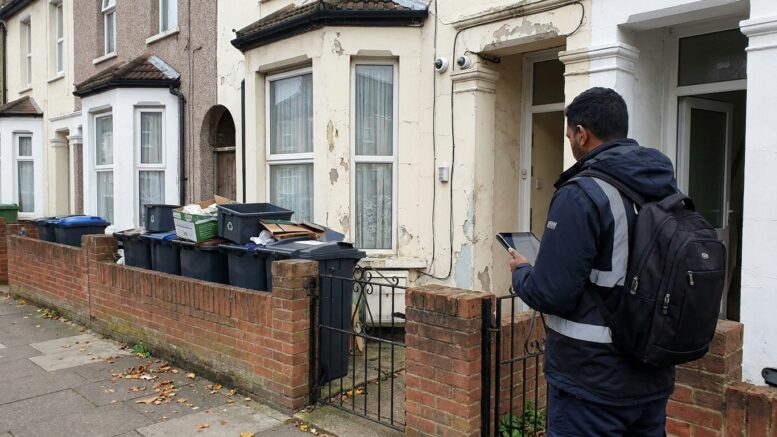
Brent Council has fined a Wembley HMO manager £50,000 after finding more than 20 people living at a property licensed for fewer than half that number, with fire-safety failures, a cockroach infestation and inadequate kitchen facilities also identified.
Vispap Sarkari, who managed the property and collected rent, was convicted after the council’s investigation at 50 Bassingham Road. The court added a £2,000 victim surcharge and £3,183.85 prosecution costs, taking his liability above £55,000. A separate property manager and licence holder, Meet Valand, was fined £40,000 plus the same surcharge and costs.
The case puts the duties attached to an HMO licence back into focus for landlords and managers as Brent says it is stepping up enforcement. A licence is not a paper exercise: the permitted occupancy, fire precautions, kitchen provision and day-to-day management all need to match what is happening at the property.
Brent HMO case involved seven offences
Brent said more than 20 people, including three children and a 10-month-old baby, had been accommodated in the Wembley house. The authority said this was more than twice the number permitted under the licence.
Tenants raised concerns with the council, prompting officers to inspect. The investigation found problems with fire alarms, fire-safety equipment, escape routes, a damaged porch door and cracked bathroom fixtures, alongside broken stoves and missing kitchen doors.
The court treated the failings as Category 1 harm, the most serious hazard band under the housing health and safety rating system. Valand was convicted of seven offences. Brent said Sarkari’s previous housing offences made him a repeat offender, and that he is now eligible for a banning order following his March 2026 conviction and the latest findings.
Licence holder and manager both faced penalties
The split outcome is a practical warning for owners who use third parties. Brent identified Valand as the licence holder and Sarkari as the person managing the home and rent collection. The case shows that a management arrangement does not remove the need for a clear chain of responsibility, regular inspections and swift action when standards fail.
Brent has said that, apart from single-household properties in Wembley Park, landlords renting homes in the borough need a licence. The council said the owner had made significant improvements after its intervention and was continuing to work towards compliance with the HMO licence conditions.
Recent enforcement cases have also shown how licensing breaches can grow into costly court action when repairs and management are ignored. In September, Bristol Magistrates’ Court ordered more than £58,000 over HMO licence and repair breaches, illustrating that the financial risk is not confined to one London borough.
This follows Landlord Knowledge’s coverage of banning orders secured against rogue HMO operators in Tower Hamlets. The Brent result is different because it centres on overcrowding and safety conditions at one licensed home, but the direction is the same: councils are using the full range of licensing and criminal-enforcement powers where evidence supports it.
What Brent landlords should check
The immediate lesson is not that every breach will produce a £50,000 fine. Penalties reflect the facts, the offences and the individual’s history. But HMO operators should treat occupancy and fire-safety checks as active management work, particularly where a property is overseen by staff, agents or a company rather than the owner personally.
The Brent Council case report confirms that the authority investigated after tenant concerns and found hazards serious enough to meet the Category 1 test. Keeping a dated record of inspections, repairs, occupancy and contractor certificates is a far better defence than trying to reconstruct events after an officer calls.
What this means for landlords
- If you operate an HMO in Brent: check that the number and type of occupiers match the licence, not just the bedrooms available.
- If someone else manages the property: set out who checks occupancy, fire precautions, repairs and licence conditions, then keep evidence that those checks happened.
- Review fire safety now: test alarms and equipment, confirm escape routes are clear and fix defects without waiting for an inspection.
- Keep a property file: retain inspection notes, photographs, contractor invoices and tenant reports so the management record is clear.
- Bottom line: overcrowding, poor facilities and unresolved safety defects can expose licence holders and managers to substantial penalties.
Editor’s view
Large fines get attention, but the sharper point is the combination of failures behind them. A licensed HMO needs active supervision. Landlords who leave occupancy and safety checks to chance are handing enforcement teams an easy case to build.
Author: Editorial Team – UK landlord & buy-to-let news, policy, and finance
Published: 29 September 2026
Sources: Brent Council
Related reading: Tower Hamlets secures banning orders against rogue HMO operators