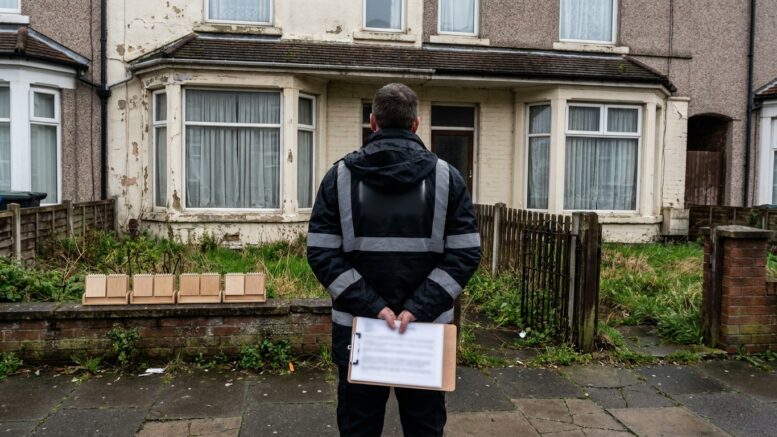
The Government has announced reforms that would let English councils seek an Empty Dwelling Management Order after a home has stood empty for six months, replacing the present two-year threshold.
The 27 September announcement also confirms plans to remove requirements to show issues such as anti-social behaviour or community support before a council applies to the Residential Property Tribunal. The Government has not set a commencement date, so the changes are not yet an operative new duty for property owners.
Owners of empty rental homes now have a much shorter proposed intervention window to factor into decisions on refurbishment, sale or re-letting. An order does not transfer ownership, but it can allow a council to take over management and return a property to occupation for up to seven years.
Six-month threshold proposed for Empty Dwelling Management Orders
Empty Dwelling Management Orders, usually shortened to EDMOs, are a formal route for local authorities to bring long-term vacant homes back into use. The owner keeps the property, while the authority can manage it and arrange occupation under the order.
The announced package would cut the qualifying empty period by 18 months. It would also make the tribunal application route less demanding by removing evidential tests linked to anti-social behaviour and local support for intervention.
The announcement is about reforming the process, not a new power to confiscate homes. Councils would still need to seek an order through the Residential Property Tribunal, and the Government says it is exploring further changes to make the regime more effective without giving details or a timetable.
Void periods will need closer management
Six months is long enough for a major repair programme, probate issue or a stalled sale to run into difficulty. It is also short enough that landlords with a property sitting idle while they decide what to do next may need a clearer record of the reason for the void and the steps being taken to return it to use.
That distinction matters because a home being actively refurbished or marketed is not the same as a property simply left empty. The Government release does not spell out how every circumstance will be assessed, and the eventual legal detail will be important for landlords, executors and owners dealing with complex work.
On 24 September, Landlord Knowledge reported that Orkney was offering loans of up to £25,000 to bring empty homes back into private rent. That local scheme shows the other side of the policy debate: some authorities are using finance to bring homes back, while the national reforms would make intervention easier where a property remains unused.
This follows Landlord Knowledge’s April coverage of Propertymark’s call for empty-homes reform, which focused on the scale of vacant stock and the case for stronger action. The latest announcement moves beyond that lobbying by setting out a specific reduction in the proposed EDMO threshold.
What remains unclear
Landlords should not treat the announcement as if the six-month rule has already started. No draft regulations, start date or full guidance were published with the release. The scope of the amended test, the evidence expected from councils and the protections for owners will need to be checked when the legal measures are brought forward.
For now, the practical message is to avoid an unmanaged void. Keeping a dated file of works, valuations, marketing activity, insurance correspondence and reasonable barriers to reoccupation can help explain why a home is empty if an authority asks.
The Government’s press release says the purpose is to bring more long-term empty homes back into use and prevent serious disrepair. Its key limitation is equally important: the release signals a reform programme, rather than setting a date on which a six-month EDMO test will apply.
What this means for landlords
- If a home has been empty for several months: document why it is vacant and keep evidence of repairs, marketing or other steps towards occupation.
- If a sale or refurbishment has stalled: review the timetable before the proposed six-month threshold becomes relevant and consider whether the property can be safely brought back into use sooner.
- Watch for: the legal commencement date, regulations and guidance, because the Government has announced the reform but has not yet put the new threshold into force.
- If an authority contacts you: obtain property-specific advice and respond with the records that show the position of the home.
- Bottom line: the proposed 18-month cut would make long voids a more immediate regulatory issue for owners of unused rental stock.
Editor’s view
There is a sensible line between an unavoidable void and a property that has been allowed to drift. The shorter threshold raises the cost of indecision. Landlords with empty homes should make sure their plans and evidence are in order before the detail of the reforms arrives.
Author: Editorial Team – UK landlord & buy-to-let news, policy, and finance
Published: 28 September 2026
Sources: UK Government
Related reading: Propertymark calls for empty homes reform as 359,000 properties sit vacant