

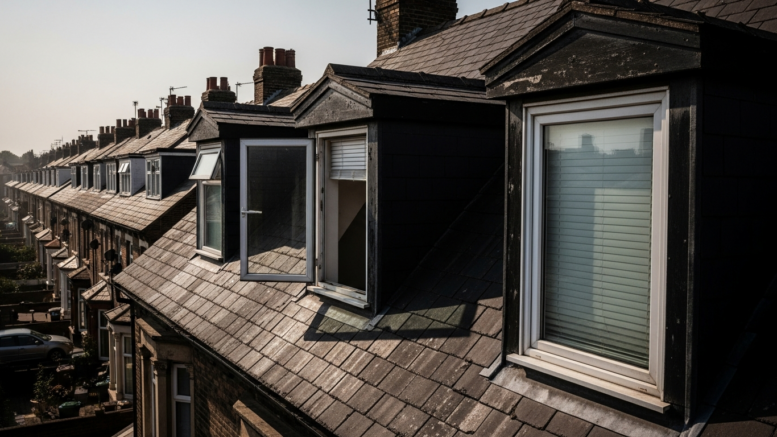
Landlords in England can now be fined up to £7,000 for a serious rental hazard, with the new power already live as July heat builds and councils assess whether overheating risks in homes have become a genuine health issue.
The change is no longer theoretical. Ministers brought the new civil penalty into force on 22 June, then switched the updated Housing Health and Safety Rating System (HHSRS) on from 23 June, cutting the hazard list from 29 to 21 and keeping a duty on councils to act where a Category 1 hazard is found.
For landlords, that matters now because overheating complaints do not need a legal maximum indoor temperature to become expensive. If poor ventilation, stuck windows, failed extractor fans, broken blinds or layout problems leave a tenant facing a serious health risk, a council can move beyond a warning and into formal enforcement.
What changed in late June
The government’s 22 June announcement on dangerous rented homes confirmed councils can issue fines of up to £7,000 where landlords refuse to fix Category 1 hazards in private rented housing. A day later, the revised HHSRS framework came into force, giving local authorities the updated system they must use when inspecting and scoring hazards.
That framework does not create a simple temperature cut-off for every home. Instead, it asks whether conditions in a property create a health and safety risk to the occupier. In practice, that means landlords should be thinking less about whether a room feels hot on one afternoon and more about whether the building can safely manage heat over a sustained warm spell.
The refreshed HHSRS guidance also matters because councils must act on Category 1 hazards, while retaining powers over less severe Category 2 risks. If an overheating problem is serious enough to reach that top band, the penalty route is now there alongside improvement notices, emergency works and cost recovery.
Why overheating risk is moving up the agenda
Trade press reports this morning have focused on overheating as a summer compliance issue, but the wider point for landlords is that the enforcement toolbox has expanded just as tenant complaints are becoming harder to brush aside. The official landlord guide to HHSRS says owners need enough familiarity with the system to keep homes free of Category 1 hazards even if they are not trained assessors themselves.
That raises the bar for older flats, top-floor conversions and poorly ventilated stock that can trap heat in summer. A landlord may not be required to install air conditioning, but failure to deal with basic defects that worsen overheating could look very different once an environmental health officer is involved.
This follows Landlord Knowledge’s report on plans for PRS database fees to help fund council enforcement, which highlighted how ministers want local authorities better equipped to act against non-compliance. Combined with recent pressure for faster Decent Homes enforcement in the private rented sector, the picture is clear: property condition is moving closer to the centre of landlord regulation, not further away.
Complaint handling matters more after Section 21
The government’s Renters’ Rights Act guide says Section 21 has been abolished and tenants have stronger backing to challenge poor conditions. That does not automatically make every warm room an enforcement case, but it does reduce the old deterrent that stopped some renters from reporting problems in the first place.
For landlords, the practical risk is delay. If a tenant flags repeated overheating and the response is slow, dismissive or poorly documented, the issue can escalate into an HHSRS inspection. Once a council identifies a serious hazard, the argument is no longer about customer service – it is about enforcement evidence.
What this means for landlords
- If you manage older or top-floor stock: check ventilation, window openings, blinds and extractor fans before the next hot spell rather than waiting for a complaint.
- Watch for: repeat tenant reports about bedrooms or loft rooms becoming unusable in warm weather, especially where children, older tenants or health conditions are involved.
- Bottom line: the £7,000 penalty is now live, and overheating can become a real compliance issue when it creates a serious health risk.
Editor’s view
Summer maintenance is starting to look less like good practice and more like enforcement prep. Landlords who treat overheating as a soft complaint risk finding out that councils now have a quicker and sharper response when a property crosses into serious hazard territory.
Author: Editorial Team – UK landlord & buy-to-let news, policy, and finance
Published: 7 July 2026
Sources: GOV.UK, MHCLG, HHSRS guidance
Related reading: Government data shows damp in 10% of private rented homes
📘 Renters’ Rights Act: Complete Landlord Guide
Everything you need to know about the new rules – 1 May 2026