Prime Minister Andy Burnham has pledged to make it easier for councils to acquire the worst-quality rented homes if landlords ignore warnings to improve them, putting a renewed focus on the most serious disrepair cases in the private rented sector.
In his 29 September Labour Party Conference speech, Burnham said warnings would come first and that the Government would legislate if necessary. He gave no Bill, start date, acquisition test or funding detail, so the statement is a policy commitment rather than a new legal power for councils or a new duty for landlords.
Owners with older or problem stock should not wait for the detail before checking their repair records. The proposal is aimed at homes that harm occupants’ health and drag down surrounding streets, which makes evidence of inspections, reported defects and completed work important if local enforcement activity increases.
Council acquisition pledge targets worst-quality rentals
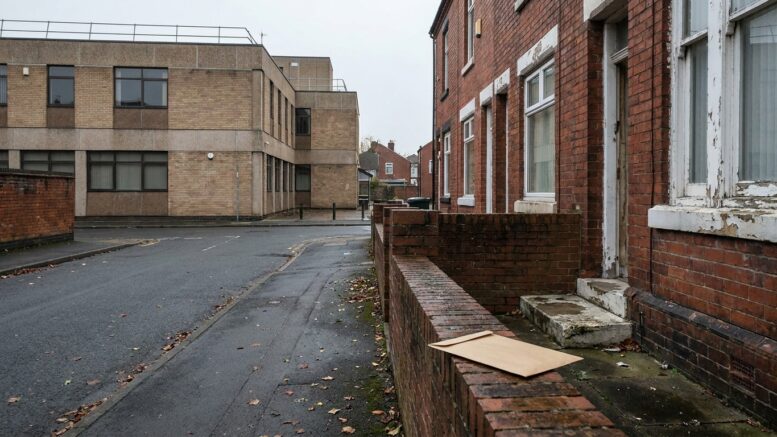
Burnham told the conference that councils would be given powers to take control of empty homes and return them to public housing stock. He then turned to rented homes in poor repair, describing properties that harm residents and are often owned by absent landlords who do not reinvest in upkeep.
His stated sequence is warnings, an opportunity to improve and then an easier route for councils to acquire homes where an owner refuses. That is a significant political signal, but it does not establish that every non-compliant property could be acquired. The speech does not say what condition threshold would apply, whether an existing compulsory-purchase route would change, or how a landlord could challenge a decision.
The distinction is important. Enforcement powers already exist for serious housing hazards, while compulsory acquisition is a separate and fact-specific step. Until the Government publishes legislation or formal guidance, landlords should treat the announcement as a warning about policy direction rather than an immediate change to their legal position.
Existing HHSRS enforcement remains the live rulebook
Local authorities can already act where rented housing contains serious hazards. Landlord Knowledge recently covered the Government’s updated HHSRS guide for England landlords, which sets out how councils assess risks including damp and mould, excess cold, fire and electrical hazards.
That existing framework is the practical standard to work from today. A landlord who receives a repair complaint should record the report, assess the condition promptly, keep contractor evidence and explain the outcome to the tenant. Those basics do not remove enforcement risk, but they make it far harder for a serious issue to become a long-running record of inaction.
This follows Landlord Knowledge’s February report on Burnham’s earlier call for CPO powers over non-decent rentals. The latest speech carries more weight because he is now Prime Minister and says legislation may follow, but the operational detail remains as unclear as it was when the proposal was first made.
No timetable yet for a new acquisition power
Burnham also promised a leasehold reform Bill before Christmas and said a wider 10-year plan for Britain would be published later this year. He did not attach a comparable timetable to the rented-home acquisition proposal.
That omission is the central limitation for landlords. A future measure could be tightly focused on the most hazardous homes after repeated enforcement, or it could alter the remedies available to councils more widely. The answer will depend on the legislation, consultation and any guidance that follow, not on the conference speech alone.
The immediate priority is straightforward: deal with serious defects before an inspection or notice forces the issue. Clear records of the decision, the work commissioned and the outcome will matter if the proposed policy moves into a formal enforcement process.
What this means for landlords
- If your property has unresolved repair reports: review the history, arrange a documented inspection and set a clear remedial timetable.
- Watch for: a Bill, consultation or official guidance setting out the threshold, process and safeguards for any council acquisition power.
- Keep evidence: retain tenant communications, inspection notes, invoices, certificates and photographs of completed work.
- Bottom line: no new acquisition power is in force, but the political direction is towards tougher intervention in the worst maintained rented homes.
Editor’s view
There is a clear dividing line in this announcement. It is aimed at the worst homes, not ordinary landlords dealing with routine repairs. But the lack of detail should not be mistaken for a reason to delay. Good records and quick action are the best defence against both present enforcement and whatever comes next.
Author: Editorial Team – UK landlord & buy-to-let news, policy, and finance
Published: 30 September 2026
Sources: The Labour Party
Related reading: Burnham calls for CPO powers to seize non-decent rental homes