
Landlords with flats in taller blocks are being pushed back to the front of the building safety debate after the government announced fresh post-Grenfell reforms, including a new review of professional standards, changes to building control and a renewed drive to speed up cladding remediation.
The package, published on 20 May, does not create a new direct duty for private landlords overnight. But it does show ministers are still tightening the system around higher-risk buildings, with more scrutiny on who signs off work, how safety rules are applied and how quickly unsafe homes are fixed.
What ministers announced on building safety
The government said it will launch a call for evidence for a new Building Professions Strategy, covering everyone involved in the chain from designers to contractors. It also accepted recommendations from the Building Control Independent Panel and said it will work with the sector on reforms intended to protect standards while improving how the system works.
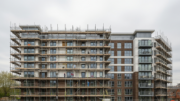
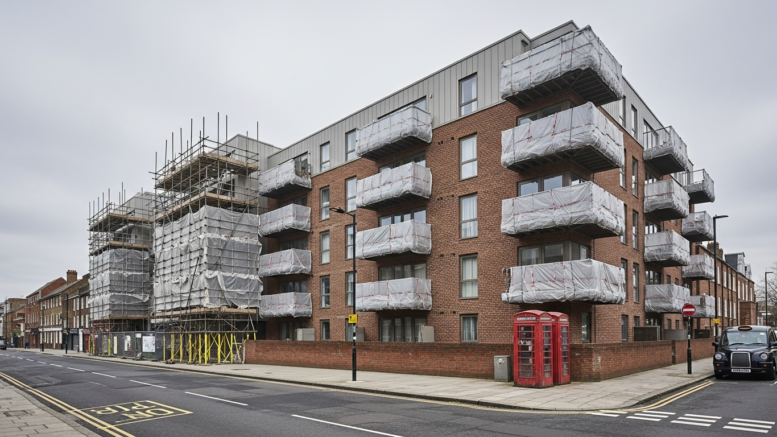
Alongside that, ministers pointed to a planned Remediation Bill, first flagged in the King’s Speech, which is meant to remove barriers to fixing unsafe cladding faster. In its latest Grenfell progress report, the government said it was monitoring 4,322 residential buildings over 11 metres with unsafe cladding as of March 2026. Works had started on 2,399 of those buildings and been completed on 1,531.
For landlords in leasehold blocks, that matters because delays over cladding, sign-off and safety paperwork still affect refinancing, sales, insurance costs and day-to-day management. The government is also reviewing parts of the higher-risk building regime after admitting some elements are not working as intended and may be creating disproportionate delays.
Why flat landlords should pay attention
While much of the Grenfell response is framed around developers, regulators and social housing, private landlords with flats can still get caught in the knock-on effects. A slower approval process can drag out remediation. Unclear building control requirements can hold up works. And any change to fire safety guidance or higher-risk building rules can affect whether a flat is easy to let, remortgage or sell.
This follows Landlord Knowledge’s report on RICS tightening EWS1 rules for landlords with flats, which highlighted how safety assessments still shape mortgage and valuation decisions. The latest update suggests ministers are trying to make the system move faster, but it also confirms building safety oversight is not easing off for investors with affected stock.
There is also a practical warning here for landlords who assume the issue is nearly over. The government’s own figures show most monitored buildings have still not reached completed remediation, and ministers expect some recommendations from the Grenfell Inquiry to take until the end of 2029 to implement.
Pressure remains on cladding and compliance
The latest progress report says the Building Safety Regulator has already improved decision times on some new-build applications, with a 15-week reduction in average approval times since June 2025. Officials now want to apply similar gains to remediation cases. That could help landlords stuck in blocks where safety works have been slow, although the government also made clear that more consultation and legislative change are still to come.
Landlords with exposure to leasehold flats may also want to read this week’s government update alongside Landlord Knowledge’s recent coverage of the leasehold reform bill. Taken together, the direction is clear: regulatory risk around flats is no longer confined to one cladding crisis. It now runs through safety, management, compliance and exit planning.
For landlords with only one or two flats, the main risk is not usually direct enforcement from this announcement. It is being tied into wider block-level problems that can affect service charges, marketability and lender appetite long before any sale is agreed.
What this means for landlords
- If you own flats in a taller block: check whether remediation, EWS1 or Building Safety Regulator issues are still active before refinancing or listing a property.
- Watch for: details of the Remediation Bill and any further changes to higher-risk building rules later this year.
- If you rely on leasehold exits: allow for longer sale timelines where safety paperwork or pending works remain unresolved.
- Bottom line: ministers want the system to move faster, but building safety compliance will stay a live investment risk for flat landlords for years yet.
Editor’s view
For landlords with houses, this may look distant. For landlords with flats, it is not. The cladding crisis may be old news politically, but it still has the power to trap capital, slow sales and keep lenders cautious.
Author: Editorial Team – UK landlord & buy-to-let news, policy, and finance
Published: 21 May 2026
Sources: MHCLG building safety announcement, Grenfell progress report May 2026, Building Control Independent Panel response
Related reading: RICS tightens EWS1 rules for landlords with flats