
Landlords with flats in cladded blocks face a tighter valuation framework from November after RICS published updated guidance on when valuers should ask for an EWS1 form during mortgage and remortgage cases.
For landlords, the change matters because saleability and refinance timing can shift quickly when a valuer decides an EWS1 is needed. The new standard is meant to cut unnecessary requests, but it also gives valuers a clearer route to flag buildings where cladding or balcony remediation could still hit value.
RICS sets clearer EWS1 thresholds for multi-storey blocks
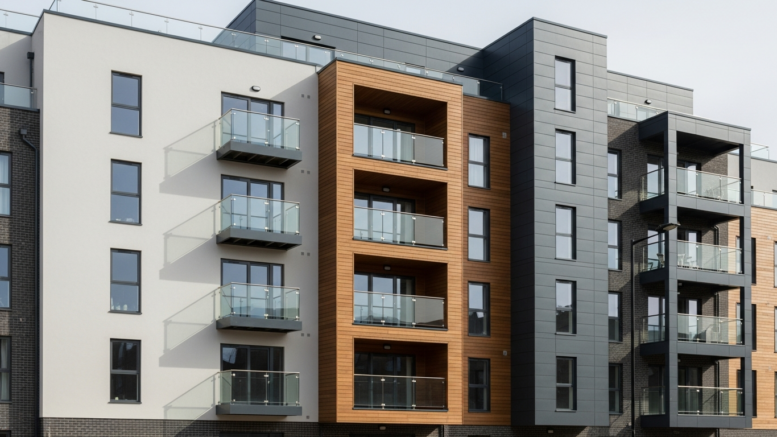
The updated RICS standard covers domestic residential properties in multi-storey, multi-occupancy buildings with cladding, including mixed-use blocks. It says an EWS1 form should only be requested where there is a clear reason, with criteria based on building height, visible cladding, curtain wall glazing and some balcony layouts, as set out in the new RICS valuation standard.
That should help in lower-risk cases where landlords and leaseholders have spent years stuck in a loop of delayed sales, cautious lenders and broad-brush requests for paperwork. But the guidance does not remove the problem for higher-risk stock. Where the building’s fabric still raises real questions, valuers now have a firmer basis for asking for evidence.
The issue lands just as flat investors are already weighing a wider policy shift. Landlord Knowledge reported yesterday on the leasehold reform bill’s impact on flat investors, while Matthew Pennycook’s recent comments on phased leasehold reform made clear that ministers do not want more disruption than the market can absorb. RICS is trying to bring the same idea to valuation: less blanket caution, but no pretence that risk has disappeared.
Refinance cases may still catch landlords out
The practical problem for landlords is that an EWS1 request can still stall a remortgage, sale or portfolio restructure even where rents remain strong. A delayed refinance on one flat can also upset plans for capital recycling across a wider portfolio, especially where borrowing needs to be lined up against tax, maintenance or acquisition deadlines.
This follows Landlord Knowledge’s March coverage of the proposed ground rent cap, which showed that flat investors are dealing with valuation, service charge and legal reform pressure at the same time. The latest RICS standard helps at the margin, but it does not change the wider point: owning leasehold flats now comes with more technical friction than many landlords priced in when they bought.
RICS also stresses that an EWS1 is not a fire safety certificate and does not replace a full fire risk assessment. That matters because some landlords may read a no-EWS1 outcome as a green light on building safety when it is only a lending and valuation judgement.
What this means for landlords
- If you own flats in mid-rise or high-rise blocks: ask managing agents what cladding, balcony and fire risk documentation is already available before refinance dates loom.
- Watch for: remortgage cases where a valuer’s request for an EWS1 could slow the deal even if the building looks low risk.
- If you are buying leasehold stock: build extra time into due diligence and do not treat valuation sign-off as a formality.
- Bottom line: the new RICS guidance may reduce needless delays, but cladding risk can still jam a landlord’s exit or refinance plan.
Editor’s view
This is useful tidying up from RICS, not a clean reset for flat investors. The market still needs sharper evidence and faster decisions, but landlords should not mistake a more orderly rulebook for a lower-risk asset class.
Author: Editorial Team – UK landlord & buy-to-let news, policy, and finance
Published: 15 May 2026
Sources: RICS
Related reading: Leasehold reform bill puts flat investors on notice