
Tenants will be able to challenge proposed rent increases at tribunal for just £47, the government has confirmed – one of the lowest fees across the courts service.
The Ministry of Justice revealed the figure in a parliamentary response, confirming there will be no additional hearing fee for rent increase appeals. The low cost has prompted warnings from landlord bodies that challenges could spike once the Renters’ Rights Act takes effect on 1 May.
Need the wider rent-rule picture? Read Landlord Knowledge’s Rent increase rules guide for the Section 13 process, tribunal challenge risk and the key compliance points landlords should watch.
No disincentive for tenants to challenge
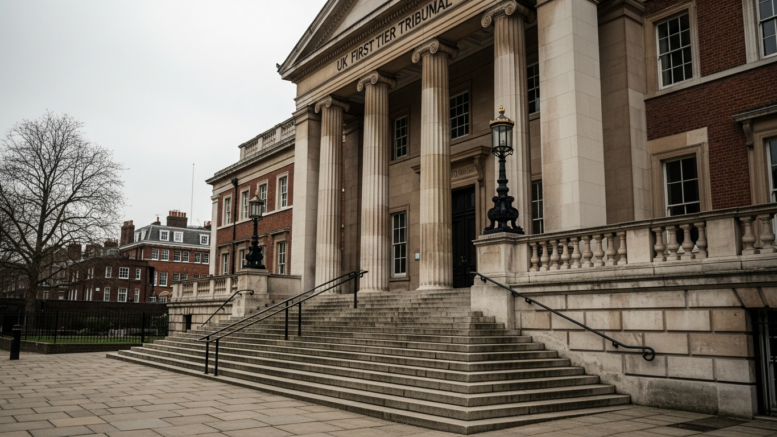
Under the RRA, landlords will only be permitted to raise rents once per year via a Section 13 notice, and any increase must reflect the local market rate. Tenants who disagree can appeal to the First-tier Tribunal (Property Chamber).
Junior justice minister Sarah Sackman confirmed the fee structure in response to a written question from Labour MP Kerry McCarthy.
“The government has laid legislation to begin the process of implementing a new fees framework in the Property Chamber,” she said.
“The framework includes a fee of £47 for applications to appeal a rent increase, with no hearing fee – this is one of the lowest fees across HMCTS.”
The minister added that the Help with Fees scheme would provide financial support to tenants who cannot afford the charge.
Industry warns of floodgate risk
The National Residential Landlords Association has warned that the pricing structure creates little disincentive for speculative challenges. Even if a tenant loses their appeal, rent payments cannot be backdated – meaning landlords would face cash flow disruption regardless of outcome.
This follows Landlord Knowledge’s March report on tribunal fee proposals, which noted the government was weighing options for the new framework. The £47 figure sits at the lower end of industry expectations.
Tribunal capacity has been a persistent concern. Court delays already exceed eight months for possession claims, and the Property Chamber faces similar resourcing pressures.
What this means for landlords
- If you are planning rent increases: Ensure your proposed figure is clearly evidenced against comparable local rents. Tribunals will assess market rate, not landlord costs.
- Watch for: A potential surge in challenges from May onwards. Budget for possible payment delays during tribunal processes.
- Bottom line: The low fee removes financial barriers for tenants. Landlords should expect more scrutiny of any above-inflation increases.
Editor’s view
A £47 fee with no hearing cost is practically an invitation to challenge. Landlords who cannot demonstrate their rent aligns with local comparables may find themselves in tribunal more often – and facing income gaps while they wait for a decision.
Author: Editorial Team – UK landlord & buy-to-let news, policy, and finance
Published: 23 March 2026
Sources: Ministry of Justice, NRLA
Related reading: Government considers fees for RRA rent tribunals
📘 Renters’ Rights Act: Complete Landlord Guide
Everything you need to know about the new rules – 1 May 2026