

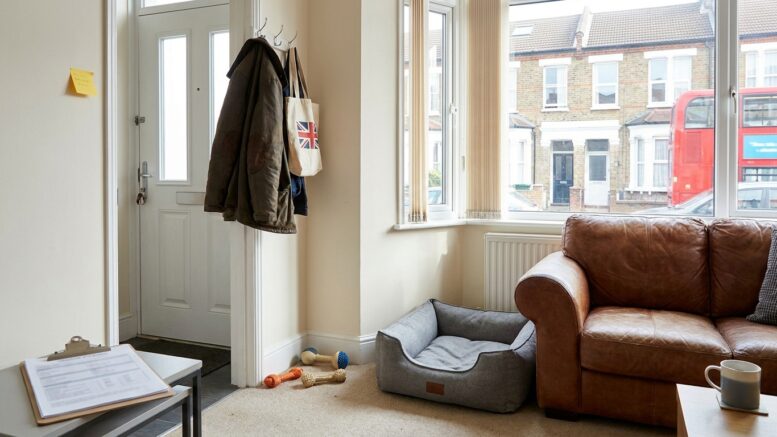
Simply Business says 44 percent of renters in England have already acquired, or plan to acquire, a pet in 2026 after the Renters’ Rights Act changed the rules on 1 May, with 12 percent saying they acted within weeks of the reform taking effect.
The figure is one of the clearest early signals yet that the new pet-request regime could translate into more real-world demand rather than just a legal right on paper. The insurer said younger renters are driving the trend, with strong take-up among people aged 25 to 34.
For landlords, that matters now because many owners have so far seen only limited formal demand since the Act began. If renters start acting later in the year, pet policy could shift quickly from a compliance issue to a day-to-day management and insurance question.
Early pet demand may still be ahead of formal requests
Simply Business says dogs were the most popular choice among new pet owners, followed by cats, and that most pet-owning tenants reported taking precautions to protect the homes they rent. Even so, the commercial point for landlords is not whether responsible tenants exist. It is whether more requests are about to land at the same time the law gives landlords less room to refuse them on broad preference alone.
Under the Act, tenants can ask to keep a pet and landlords must consider each request individually. Blanket bans are out, refusals must be reasonable, and the usual response window is 28 days. Extra pet deposits are also off the table because the Tenant Fees Act deposit cap still applies.
That combination explains why the latest survey matters. A rise in pet ownership does not just affect tenancy wording. It can affect wear and tear, inventory disputes, insurance choices and, in some blocks, lease compliance where freeholders restrict animals.
This follows Landlord Knowledge’s report that 93 percent of landlords had not yet received a formal pet request after 1 May. The latest Simply Business figures suggest the gap between tenant appetite and actual applications may not stay wide for long.
Insurance and evidence are becoming more important
The Simply Business guidance for landlords says owners still need to assess requests on the facts of the property, including space, building rules and whether another occupier could be affected. Where landlords refuse, the reasoning needs to be specific enough to stand up if challenged.
There is also a financial angle. Because owners cannot charge a separate pet deposit, more landlords are likely to lean on stronger inventories, clearer check-in evidence and insurance products that deal with damage risk. That will be especially relevant for furnished homes, flats with stricter head leases, and properties where common parts create extra friction with neighbours or managing agents.
Landlord Knowledge recently covered how NRLA and Dogs Trust set out the 28-day timetable landlords must follow on pet requests. The latest survey adds a stronger timing hook: the legal framework is in place, and tenant behaviour may now be catching up.
Simply Business’s own guide to the new pet rules for landlords says refusals can still be justified in some cases, but landlords cannot rely on old blanket bans or extra pet fees.
What this means for landlords
- If you have not reviewed your pet process: make sure response templates, evidence checks and refusal reasons are ready before requests rise.
- If your property has lease restrictions: keep those documents to hand so any refusal is tied to a clear and lawful reason.
- Watch for: more requests from younger renters as the 1 May changes bed in through the autumn market.
- Bottom line: pet demand may be moving from theory to practice, and landlords need a process rather than a blanket position.
Editor’s view
The pet rules did not create instant chaos in May, but they were never likely to. What matters now is whether tenant confidence catches up with the law, because that is when unprepared landlords start making bad decisions in writing.
Author: Editorial Team – UK landlord & buy-to-let news, policy, and finance
Published: 17 August 2026
Sources: Simply Business, GOV.UK
Related reading: LRG: 93% of landlords saw no pet request after 1 May
📘 Renters’ Rights Act: Complete Landlord Guide
Everything you need to know about the new rules – 1 May 2026