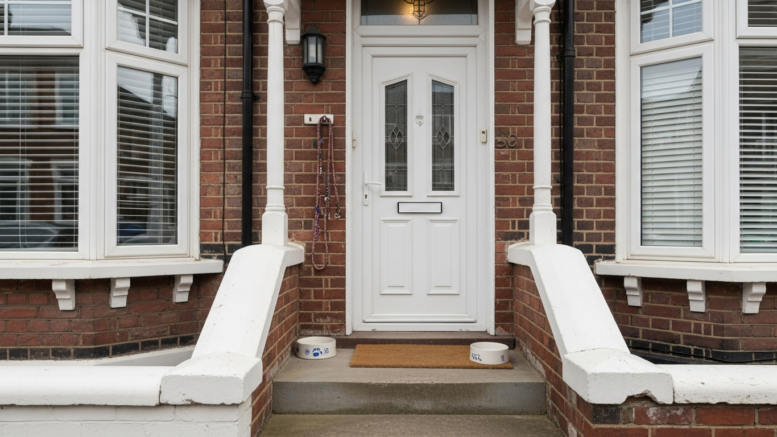
Landlords are being told to assess pet requests case by case under the Renters’ Rights Act, with new guidance from the NRLA and Dogs Trust spelling out what a reasonable decision may look like in practice. For landlords, the message is that blanket refusals are out and documented judgement is now far more important.
The guidance comes after the new pets rules took effect in May. Tenants must make a written request, landlords have 28 days to reply, and a failure to respond can leave the issue open to court action. Landlords can still say no, but only where the refusal is reasonable and properly explained.
This matters now because pet requests are no longer a side issue. They are quickly becoming one of the first live tests of how the new regime will work in day-to-day property management, especially for smaller landlords handling decisions without an agent.
What the new pet guidance says
The NRLA says landlords can ask for more information about the animal, including type, breed or size, provided that request is made within the initial 28-day window. Once the tenant replies, the landlord then has seven days to give a final decision.
Dogs Trust told the NRLA that suitability depends on the individual animal and property rather than crude assumptions such as whether a home has a garden. The charity said smaller homes can still be suitable for dogs if welfare needs are met, while multiple animals should be judged on layout, owner experience and the needs of the specific pet.
This follows Landlord Knowledge’s earlier report on pet refusals reaching court before the ombudsman launch, which warned landlords that pet disputes could become an early compliance flashpoint. The latest guidance helps fill in some of the practical detail, but it does not remove the need for landlords to evidence their reasoning.
Where landlords are still exposed
The biggest risk is not that every landlord will have to allow every pet. It is that weak processes will lead to avoidable disputes. A short, vague refusal based on general fears about damage is unlikely to be enough if the tenant challenges it. Landlords may need to show why the specific property, lease terms or circumstances make the request unsuitable.
That is especially relevant in leasehold blocks, smaller flats and shared buildings where restrictions or neighbour impacts may be easier to evidence. The NRLA’s guidance on Dogs Trust’s pet rules advice gives landlords a clearer framework, but it also raises the compliance bar for anyone still relying on old tenancy habits.
What this means for landlords
- If you’re handling pet requests yourself: use a written process and keep records of the reasons for any refusal.
- Watch for: lease restrictions, building rules and property-specific welfare concerns that can support a reasonable decision.
- Bottom line: landlords can still refuse some pets, but casual or blanket refusals are now much harder to defend.
Editor’s view
The pets issue is a good example of how the Renters’ Rights Act changes landlord risk. The legal shift is not only about what landlords decide – it is about how clearly, how quickly and how carefully they can show their decision was reasonable.
Author: Editorial Team – UK landlord & buy-to-let news, policy, and finance
Published: 10 June 2026
Sources: NRLA, Dogs Trust
Related reading: Propertymark tells landlords to fix paperwork before 1 May
📘 Renters’ Rights Act: Complete Landlord Guide
Everything you need to know about the new rules – 1 May 2026