

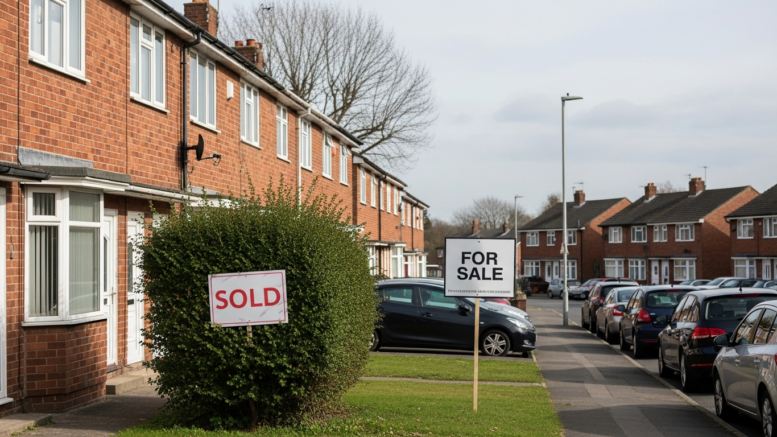
Right to Buy sales in England jumped to 14,275 in 2025-26, up 90 percent year on year, while local authorities’ receipts almost doubled to £1.61 billion. The latest official figures point to a faster transfer of council stock out of the social sector at a time when many private landlords are already watching supply and demand pressures build.
The fresh disclosure matters because the replacement pipeline moved the other way. Homes funded through Right to Buy receipts fell 7 percent to 3,452, meaning sales are still outpacing replacement activity by a wide margin. That leaves fewer affordable homes in the system and raises the chance that more households will end up competing in the private rented sector.
For landlords, the immediate issue is not just politics around social housing. If council stock keeps shrinking faster than it is replaced, demand pressure can spill into local rental markets, especially in areas where tenants priced out of ownership or social housing have limited alternatives.
Sales race ahead of replacements
Official data show councils collected an average of £112,900 per dwelling sold under Right to Buy in 2025-26, a 5 percent rise on the previous year. But the more important figure for landlords is the replacement gap. With 14,275 sales recorded and only 3,452 replacement homes funded from eligible receipts, the net loss of lower-cost housing remains substantial.
That matters because landlords do not operate in a separate market. When social housing availability tightens, pressure often shifts into the private rented sector through higher demand, longer waiting lists and fewer low-cost alternatives for tenants who need to move. Landlord Knowledge has already tracked that pressure in its recent coverage of shrinking build-to-rent starts, which pointed to the same supply problem from the development side.
This follows Landlord Knowledge’s report on NHBC’s second-quarter new home registrations, which found future housing supply remains under pressure. The latest Right to Buy figures add another side to that picture by showing existing affordable stock continuing to leave the system faster than replacement homes are being funded.
Why landlords should watch the policy response
The figures land as ministers continue work on wider social housing reform. If the replacement gap becomes a bigger political flashpoint, landlords could see fresh pressure for intervention in rents, standards and enforcement rather than a deeper focus on restoring supply.
There is also a regional risk. Areas with strong Right to Buy activity but weak replacement delivery can see sharper rental demand without matching increases in housing choice. For landlords, that may support occupancy, but it can also mean more affordability strain among tenants and greater political scrutiny of rent levels.
Official Right to Buy tables published by government show the scale of the shift in black and white, with sales and receipts climbing sharply in 2025-26 while replacement output remains far lower. Landlords looking at local acquisition or rent-setting decisions should keep a close eye on where that imbalance is widening. The underlying data are available in the government’s live tables on social housing sales.
What this means for landlords
- If you own in high-demand council areas: expect private rental demand to stay firm if affordable housing replacement keeps lagging sales.
- Watch for: local authorities and ministers using tighter regulation, not extra supply, as the policy answer to housing pressure.
- If you’re buying: supply shortages can support occupancy, but tenant affordability still needs stress-testing at current rent levels.
- Local angle: areas with strong Right to Buy sales but weak replacement delivery may see the biggest rental pressure.
- Bottom line: fewer social homes usually means more pressure on the PRS, but it also increases political risk for landlords.
Editor’s view
Right to Buy still creates a familiar imbalance: stock leaves the affordable sector far faster than it comes back. For landlords, that can support demand in the short term, but it also feeds the policy pressure that usually comes back on the private rented sector.
Author: Editorial Team – UK landlord & buy-to-let news, policy, and finance
Published: 10 August 2026
Sources: MHCLG live tables on social housing sales
Related reading: NHBC: new home registrations fall as rental pipeline holds