The UK’s property management sector is set to reach almost £38 billion in 2026, driven by the growing regulatory burden on private landlords.
Analysis by Rushbrook & Rathbone reveals the sector has rebounded strongly after a brief contraction, with market size increasing 4.1 percent in 2025 to £37.7 billion. The consultancy forecasts further growth of 0.7 percent this year, pushing the total to just under £38 billion – a 26 percent increase over the past decade.
Regulation forces landlord hands
The firm identifies three key pressures forcing landlords to turn to professional management services: resourcing constraints, regulatory complexity, and the operational demands of larger portfolios.
Compliance obligations, maintenance coordination, tenant management and financial oversight have all become more demanding. This is placing greater pressure on landlords to ensure properties are managed professionally and in line with regulatory requirements.
The sector experienced a temporary 1.7 percent contraction in 2024, when the estimated market size fell to £36.25 billion. However, Rushbrook & Rathbone says the market has since recovered as landlords increasingly accept that professional management is now a cost of doing business rather than an optional extra.
This follows Landlord Knowledge’s February report on Pegasus Insight data showing landlords now spend an average of 31 hours per month on property management – equivalent to nearly a full working week devoted to compliance, tenant communication and maintenance.
Part-time landlords worst affected
Many landlords manage rental property alongside full-time careers or other business interests. For these part-time operators, staying on top of evolving compliance requirements has become increasingly difficult without professional support.
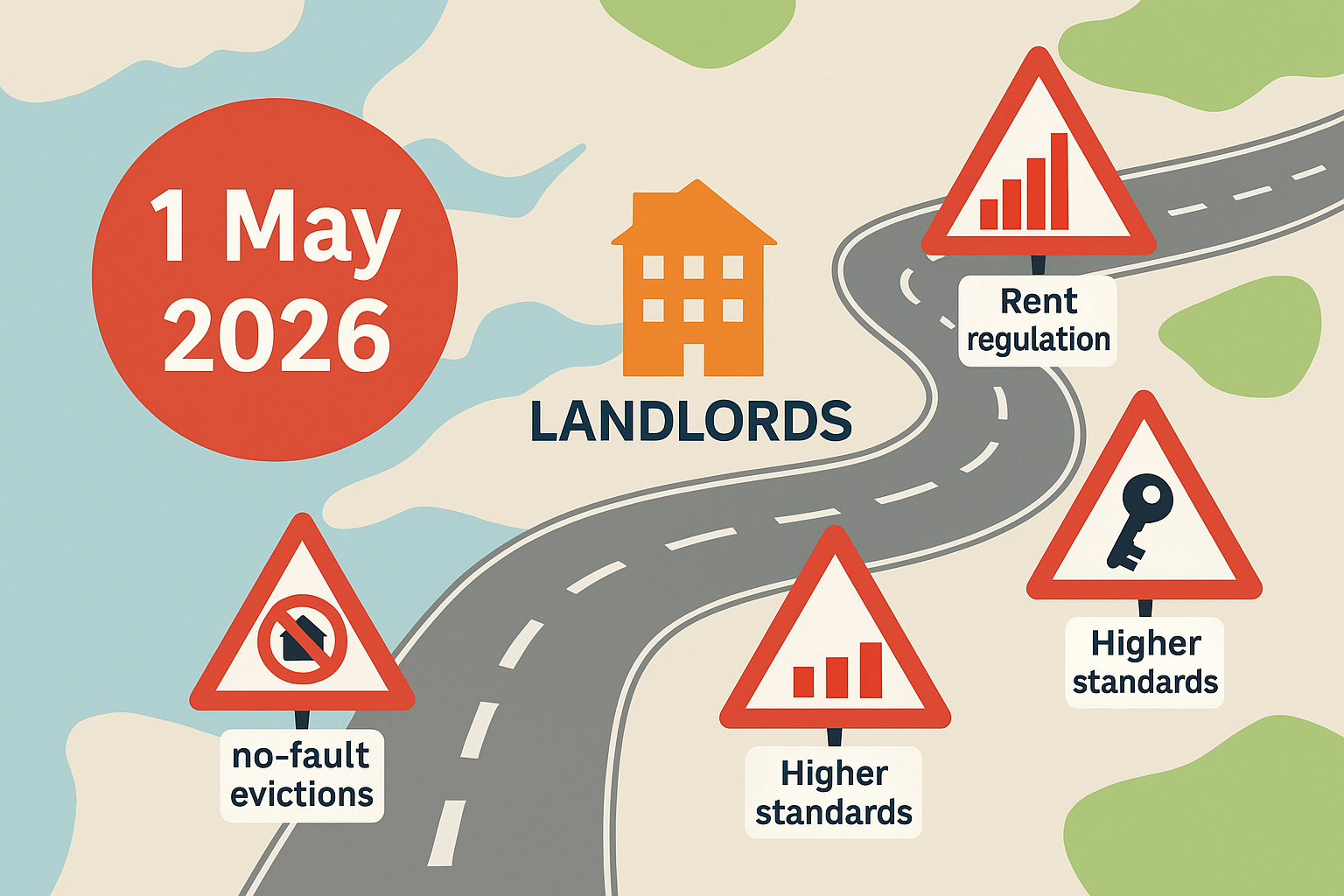
The Renters Rights Act, set to take effect on 1 May 2026, is expected to add further complexity. New requirements around the Private Rented Sector Database, property inspections and enhanced tenant protections will create additional administrative demands that many self-managing landlords may struggle to absorb.
Rushbrook & Rathbone’s analysis suggests this regulatory trajectory will continue to drive market growth, as more landlords conclude that outsourcing management is more cost-effective than attempting to handle compliance in-house.
What this means for landlords
- If you’re self-managing: Factor in the true cost of your time when calculating yields – 31 hours monthly at even minimum wage adds £700 to monthly operating costs.
- If you’re considering outsourcing: Shop around now before RRA drives up agent fees. Some agents are already restructuring commission to reflect lost renewal income.
- Watch for: April employment law changes that will affect letting agents’ costs – expect some to pass these through to landlords.
- Portfolio landlords: Professional management increasingly essential for those with five or more properties to maintain compliance across multiple tenancies.
- Bottom line: Self-management is becoming a false economy as regulatory complexity outpaces the time available to most part-time landlords.
Editor’s view
The £38 billion figure tells its own story. What was once a cottage industry of hands-on landlords managing their own properties has become a professional services sector in its own right. For landlords weighing the cost of agents’ fees, the question is no longer whether to pay for management – but whether you can afford not to.
Author: Editorial Team – UK landlord & buy-to-let news, policy, and finance
Published: 11 March 2026
Sources: Rushbrook & Rathbone
Related reading: Landlords spend 31 hours a month on property management