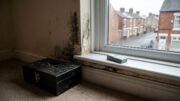

Awaab’s Law is moving beyond damp and mould, with Inventory Base warning that the next phase of the regime will pull a much wider range of housing hazards into tighter response deadlines before the rules reach private landlords in 2027.
The warning comes as social landlords already work under the first phase of the law and the sector looks ahead to later extensions covering additional hazards such as excess cold and heat, electrical risks, fire risks, structural dangers, falls, hygiene issues and food safety concerns.
For landlords, the immediate point is timing. Private rented sector rules are not due until 2027, but the direction of travel is already clearer: hazard reporting, inspection records and repair evidence are becoming as important as the repair itself, especially as councils gain stronger enforcement tools this week.
Awaab’s Law is broadening before PRS rollout
Inventory Base said too much of the debate still treats Awaab’s Law as if it were only about damp and mould. The company said that is missing the wider compliance picture now taking shape, with later phases extending the same response logic across a broader list of health and safety risks.
That matters because the private rented sector is already facing tougher scrutiny under the Housing Health and Safety Rating System from 23 June. While Awaab’s Law and HHSRS are separate regimes, both point in the same direction: landlords need clearer evidence of property condition, faster responses when problems are reported and better records of what action was taken.
This follows Landlord Knowledge’s earlier coverage on repair audit trails becoming more important before rental reform, and its report on Awaab’s Law tightening the private rented sector rulebook. The latest warning adds a practical point for landlords: waiting until private sector rules are formally switched on in 2027 may be too late.
Fall risks dwarf damp cases in official data
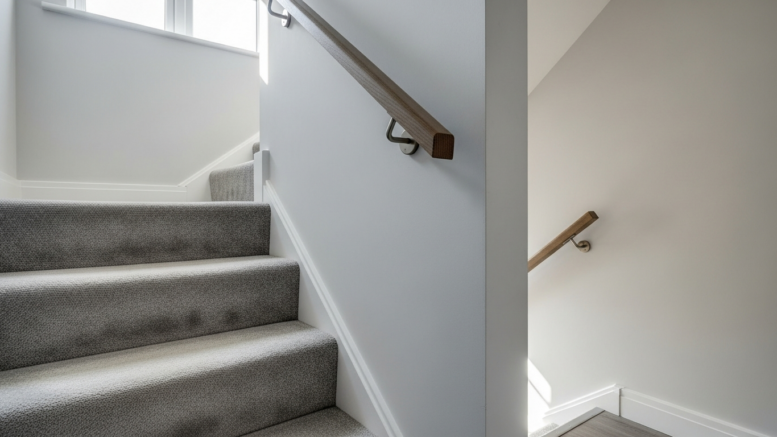
Inventory Base pointed to English Housing Survey figures showing that fall hazards on stairs were more common than Category 1 damp hazards in 2024. The survey estimated 940,000 homes contained Category 1 fall hazards on stairs, compared with about 635,000 homes affected by excess cold and 155,000 with Category 1 damp hazards.
That does not reduce the seriousness of damp and mould. It does show why landlords should not build their preparation around one issue alone. A property that looks fine on mould prevention could still create major exposure if stairs, electrics, heating or fire safety are poorly documented or badly maintained.
The wider English Housing Survey collection shows why landlords need to think beyond mould alone when judging property risk. For private landlords, the clearest near-term lesson is simple: repair systems built only for visible damp complaints are unlikely to be enough for the direction regulation is heading.
Faster repair reporting may matter more by 2027
As Awaab’s Law widens, landlords may need better ways to capture repair issues early and keep a clear record of how concerns were handled. A tool such as AskLettie.com could be useful if it helps tenants raise issues quickly and gives landlords or agents a cleaner trail of questions, reports and follow-up actions before a hazard turns into a bigger compliance problem.
That will not replace inspections, contractors or legal duties, but a stronger reporting trail could become more valuable as landlords are judged not only on whether repairs were eventually done, but also on how quickly hazards were identified and escalated.
What this means for landlords
- Do not focus only on mould: check whether stairs, electrics, heating, fire safety and structural issues are documented and inspected properly.
- Review evidence trails: keep dated records of inspections, reports, contractor visits and completed repairs.
- Watch for: more detail from government on how the 2027 private rented sector extension will work in practice.
- If you manage older stock: broader hazard exposure may be a bigger risk than a single damp case.
- Bottom line: Awaab’s Law is becoming a wider property-condition test, not a one-topic mould rule.
Editor’s view
Landlords who treat Awaab’s Law as a damp story are reading the wrong signal. The bigger issue is whether they can prove they knew about hazards and acted fast enough across the whole property.
Author: Editorial Team – UK landlord & buy-to-let news, policy, and finance
Published: 22 June 2026
Sources: GOV.UK Awaab’s Law factsheet, English Housing Survey, Inventory Base
Related reading: Tenants will gain legal powers under Awaab’s Law as PRS rules tighten