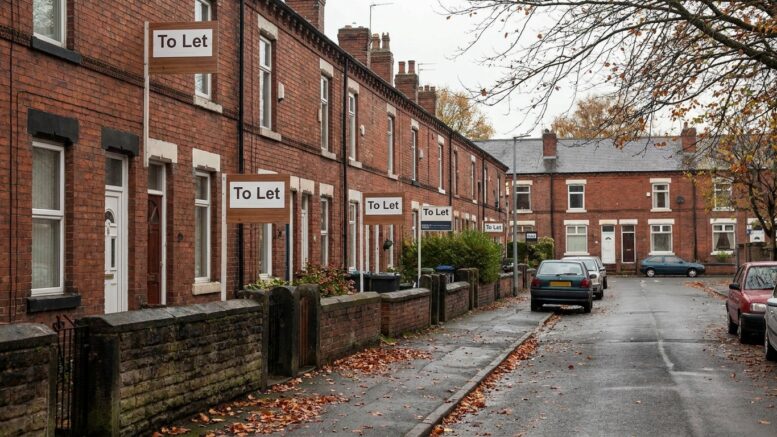
Average rents fell across 10 of the 11 UK regions in September, according to new figures from Propertymark, with Scotland recording the sharpest monthly drop of 3.4 percent to £1,134.
The East Midlands was the only region where rents rose, edging up 0.1 percent to £991. The North West fell 2.5 percent to £1,109, while London and the South West both dropped 2.1 percent, to £2,415 and £1,256 respectively.
The monthly dip gives tenants short-term relief, but landlords should read it alongside the annual picture. The salary needed to secure an average rental still rose over the past year in several regions, which points to tenant demand holding up rather than falling away.
Scotland leads monthly falls as London eases
Scotland saw the largest month-on-month fall, with the average rent sliding from £1,174 in August to £1,134 in September. The North West recorded the next biggest drop, while falls in London and the South West will bring some relief in two of the country’s dearest markets.
Kim Lidbury, president of ARLA Propertymark, said the September figures point to pressure starting to ease. “The September figures suggest that some of the pressure in the rental market is beginning to ease,” she said.
She added that rents had fallen across most regions over the month, with the drops in Scotland, the North West and the South West standing out as particularly notable for renters.
Annual affordability bar keeps rising
The year-on-year picture is less comfortable. Scotland recorded the largest annual increase in the income needed to rent, up 3.4 percent to £34,020. London remains the costliest market by far, with tenants needing an annual income of £72,450 to meet the affordability threshold on an average rent of £2,415.
That compares with £26,160 in the North East, where average monthly rents stood at £872. The South East remains the second dearest region, with average rents of £1,491 and an indicative income requirement of £44,730.
There were signs of improvement elsewhere. Yorkshire and Humberside recorded the biggest annual fall in the income required to rent, down 3.6 percent to £28,830, followed by the North West with a 2 percent drop to £33,270. But thresholds rose by 1.5 percent in the North East, 1.4 percent in London and 1.1 percent in the South West.
This follows Landlord Knowledge’s September report that London renters needed a £74,010 salary to secure an average home, which put the capital’s affordability strain in sharp relief. The latest figures suggest that strain has eased only slightly, with the London salary bar now at £72,450. Set against SpareRoom’s finding that UK room rents hit a record £769 as supply fell, the pattern is mixed: headline rents dipped in September, but rented demand still outstrips supply in much of the country.
“However, the wider affordability picture remains mixed. The fact that the salary requirement has increased in several regions over the past year shows that a monthly fall in rents does not necessarily mean renting has become more affordable,” Lidbury said.
She said increasing supply would be vital, adding: “Supporting landlords to remain in the sector and invest in rental properties, alongside increasing housing supply, will be key to creating a more stable and affordable market for tenants.” More detail on the figures is available from Propertymark.
What this means for landlords
- If you are setting rents this autumn: September’s dip gives little room to push ahead of the market, particularly in Scotland and the North West where falls were sharpest.
- Watch for: the annual affordability data when referencing tenants – salary thresholds still rose in London, Scotland, the North East and the South West, so referencing tests stay tight.
- Bottom line: one soft month does not make a soft market. Demand still exceeds supply, and landlords who price in line with local evidence should see voids stay short.
Editor’s view
A monthly fall grabs attention, but the yearly numbers tell the truer story for landlords. Tenants still need higher incomes than a year ago in much of the country, which means demand is intact. Price sensibly for the autumn, and treat this as breathing room rather than a turning point.
Author: Editorial Team – UK landlord & buy-to-let news, policy, and finance
Published: 12 October 2026
Sources: Propertymark
Related reading: Propertymark: London rent salary threshold reaches £74,010