

West Suffolk Council has won a court fight over a £7,500 landlord fine after a tribunal agreed the penalty was justified – and said it could have been higher – in a case involving 21 electrical safety defects at a rented home in Brandon.
The newly confirmed point is not the original fine itself but the tribunal outcome. The council says the landlord missed the 28-day legal deadline by 82 days, never applied for an extension, and still failed to persuade the court that the sanction should be cut.
Councils are under pressure to show they will use civil penalties where safety breaches are serious. A failed appeal on electrical defects gives enforcement teams a clear example to point to when they argue that delayed remedial works are not a paperwork issue but a live tenant-risk issue.
West Suffolk says tribunal backed £7,500 electrical safety fine
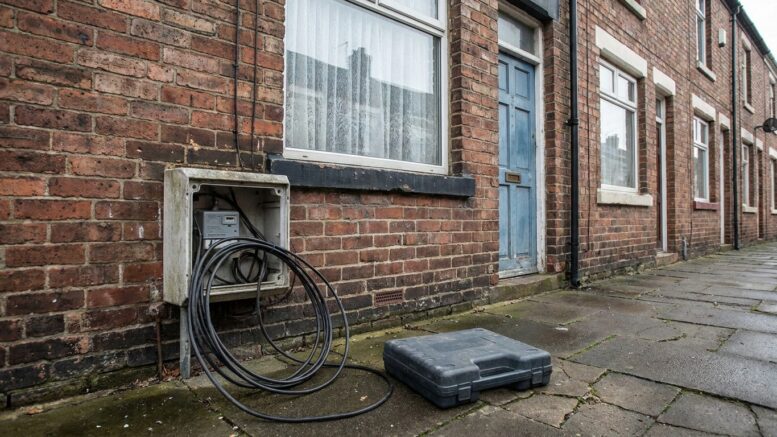
In its latest enforcement update, West Suffolk Council said Forthbrook Ltd was fined after failing to complete work within 28 days to address 21 electrical safety defects found at a property in Thetford Road, Brandon. The council said the Electrical Installation Condition Report identified seven code 1 defects, including exposed cables, and another 14 code 2 defects requiring urgent action.
The case started after the council investigated a damp and mould complaint at the home, where a mother and her four children were living. West Suffolk said it had to arrange emergency work itself on 4 July 2025 to remove the immediate risk before serving an Urgent Remedial Notice and a further Remedial Notice.
The authority said the works should already have been done by the time it received the report on 27 June 2025. Instead, the remaining remedial work was not completed until 10 September 2025. At the tribunal hearing, the landlord argued temporary safety measures were in place, but the court upheld the level of the fine and agreed it could have been higher.
Why the Brandon case matters for landlords now
Electrical safety deadlines can look narrow on paper, but this case shows councils are prepared to treat missed timescales as a serious enforcement matter where hazards are classed as immediate or potentially dangerous. The fact that the tribunal did not soften the penalty will make that message sharper.
This follows Landlord Knowledge’s recent report on Bristol increasing landlord fines up to £35,000 as councils widen their enforcement tools. Landlord Knowledge has also covered Propertymark’s warning that higher penalty levels are raising the risk around licensing and compliance failures, and the West Suffolk case shows how quickly that risk can move from theory to a live tribunal bill.
The practical warning is simple. Once an EICR throws up code 1 and code 2 defects, landlords need a dated plan, a contractor booked and, if necessary, a formal extension request inside the legal timeframe. Waiting for a cheaper slot or assuming temporary measures will satisfy the council is a dangerous bet.
What this means for landlords
- If your EICR flags urgent defects: treat the 28-day rule as a hard deadline unless the council agrees an extension.
- If works will slip: document the reason and apply formally rather than relying on informal updates from a contractor or agent.
- Watch for: more councils citing tribunal-backed electrical safety penalties to justify tougher enforcement.
- Bottom line: serious electrical defects can turn into a defended fine quickly, and appeals are no guarantee of a lower bill.
Editor’s view
Electrical safety enforcement is often treated as background compliance until a case like this lands. The tribunal outcome will give councils more confidence that missed deadlines on dangerous defects deserve real penalties, not quiet warnings.
Author: Editorial Team – UK landlord & buy-to-let news, policy, and finance
Published: 24 August 2026
Sources: West Suffolk Council
Related reading: Bristol adds landlord fines up to £35,000