
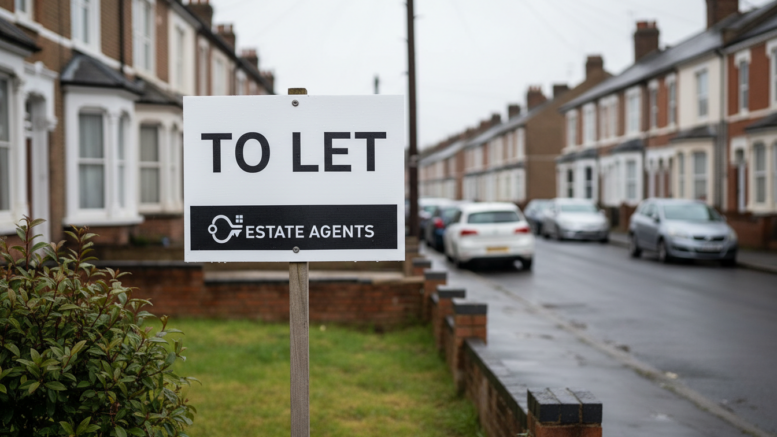
Just 2 percent of rental properties in England are available at Local Housing Allowance rates, leaving low-income tenants locked out of the private rental market and councils spending record sums on temporary accommodation. New data from SimplyPhi shows the gap between market rents and LHA rates now ranges from £377 to £1,194 per month across English regions.
Supply fails to reach low-income renters
SimplyPhi’s 2025 Regional Housing Market Report analysed private rental listings against LHA rates throughout the year. While total supply peaked at 77,458 properties in Q2 2025, falling to 71,630 by Q4, the number affordable at LHA rates remained almost flat at around 1,154 listings per quarter – just 1.5 percent of the market.
The freeze on LHA rates for 2025/26 has made the gap permanent. Even in areas where market rents dipped slightly, the shortfall is so large that it makes no practical difference to families priced out of private housing.
This follows Landlord Knowledge’s report on Propertymark backing calls to unfreeze LHA rates, with industry bodies warning that the freeze is driving landlords away from housing benefit tenants and pushing councils toward financial crisis.
Two-bed market hardest hit as families compete with sharers
Omar Al-Hasso, chief executive of SimplyPhi, said the two-bedroom market – the main destination for families leaving temporary accommodation – is seeing the most aggressive competition. “These properties are seeing the most aggressive competition between professional sharers and low-income families,” he said.
Fewer than 600 two-bedroom homes across England – less than 2 percent of the 29,808 available – were priced at LHA rates in 2025. With over 131,000 households in temporary accommodation, including more than 169,000 children, the shortfall is leaving “many vulnerable families stuck in unstable living conditions.”
Al-Hasso warned: “At this stage, we run the risk of homelessness becoming an inevitability rather than a risk.”
Council spending on temporary accommodation reached a record £2.8 billion in 2024/25. Al-Hasso said this “fiscal leakage” is now threatening the financial solvency of many councils, “forcing cuts to other statutory services to cover the soaring cost of nightly-paid emergency accommodation.”
Separate data from councils offering guaranteed rent schemes shows local authorities are increasingly competing for landlord supply, offering incentives to attract private landlords willing to house families at or near LHA rates.
What this means for landlords
- LHA tenants are harder to house: With gaps of up to £1,194 per month, accepting LHA tenants increasingly requires topping up from other sources or accepting below-market returns.
- Council partnerships offer alternatives: Guaranteed rent schemes and council partnerships can provide stable income and void protection for landlords willing to work with local authorities.
- Watch for: Budget pressure on councils may lead to more landlord incentive schemes – but also tighter enforcement of standards as authorities seek value for spending.
- Bottom line: The affordable rental market is effectively separate from the mainstream market. Landlords must decide which they are operating in.
Editor’s view
The numbers tell a stark story: general rental supply increased in 2025, but affordable supply stayed almost completely flat. This is not a market problem that more housing will automatically solve – it is a policy problem created by freezing benefits while rents rise. Landlords who previously accepted LHA tenants are being priced out themselves by rising costs and regulatory burdens. Until LHA rates reflect actual market conditions, councils will keep spending billions on emergency accommodation while families compete for scraps.
Author: Editorial Team – UK landlord & buy-to-let news, policy, and finance
Published: 3 March 2026
Sources: SimplyPhi 2025 Regional Housing Market Report
Related reading: Propertymark backs push to unfreeze housing benefit rates