

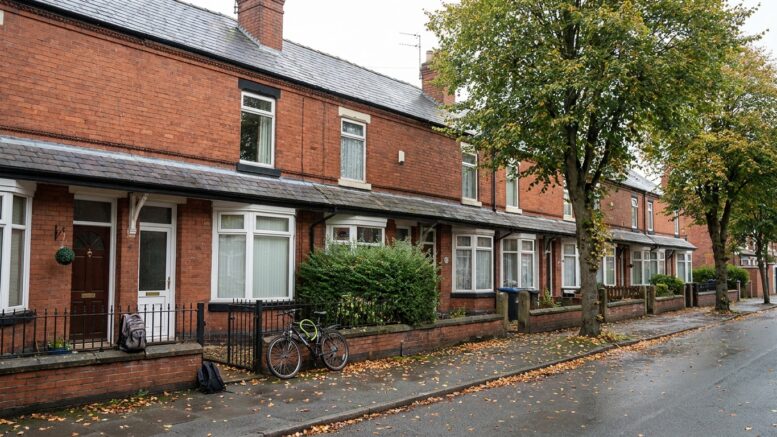
Student properties in Stoke-on-Trent generated an average gross yield of 9.42 percent in Paragon Bank’s latest university-market analysis, putting the city ahead of Plymouth, Liverpool, Portsmouth and Cardiff.
The lender based the table on buy-to-let mortgage offers in known student postcodes over a rolling two-year period. It puts average annual rent in Stoke at £14,222 against an average property valuation of £150,982, a combination that produces the strongest return among the locations assessed.
Low purchase prices are doing much of the work in Stoke. Plymouth’s average rental income was far higher at £35,224, but its £379,881 average valuation reduced the reported yield to 9.27 percent. The comparison is a reminder that rent alone is not a useful guide to a student investment’s income return.
Student postcodes outperform the wider rental market
Across the locations reviewed, Paragon said properties in known student postcodes returned an average 7.32 percent, compared with 6.86 percent in non-student postcodes. Liverpool ranked third at 8.86 percent, followed by Portsmouth at 8.31 percent and Cardiff at 8.27 percent. Edinburgh, Coventry, York and Leeds also recorded yields above eight percent.
Louisa Sedgwick, managing director of mortgages at Paragon Bank, said the figures showed the breadth of the university rental market, with competitive returns available beyond Russell Group cities. She added that landlords needed to understand local demand, the standard of accommodation students expect and the responsibilities that come with managing shared homes.
This follows Landlord Knowledge’s June report on UniHomes’ finding that Liverpool led student buy-to-let demand as the sector faced a large bed shortfall. Paragon’s new student-yield analysis shifts the focus from demand to the gap between local rent and buying costs.
High yield does not remove HMO and void risk
The headline figures are gross yields, so they do not account for finance, repairs, licensing, management, voids or refurbishment. Those costs can be heavier in a shared house than in a standard single-let, particularly where a landlord needs to meet HMO standards or replace furniture between academic years.
That makes local evidence more useful than a league table on its own. A landlord considering Stoke, Plymouth or Liverpool needs to test the achievable rent for the exact property type, check whether an Article 4 direction restricts new HMOs, and allow for summer letting risk before treating the published figure as a forecast.
The ranking also shows why accessible prices still matter in a period of higher borrowing costs. A lower entry value can preserve the income return even where rent growth slows, while a higher-value university market needs stronger rent to produce the same result.
What this means for landlords
- If you are comparing student markets: calculate yield from the actual price and achievable rent, not the city average alone.
- If you are buying a shared house: check HMO licensing, planning controls and refurbishment costs before making an offer.
- Watch for: autumn student demand and whether local supply changes after the new academic year begins.
- Bottom line: Stoke’s result is strong, but the return only holds if running costs and void periods are controlled.
Editor’s view
Student yields can look compelling when the purchase price is modest, and Stoke’s table-topping figure will draw attention. The sensible investor will look past the ranking. A well-run shared house in the right micro-market can work, but it is not a passive substitute for a standard buy-to-let.
Author: Editorial Team – UK landlord & buy-to-let news, policy, and finance
Published: 7 September 2026
Sources: Paragon Bank
Related reading: UniHomes says Liverpool tops student BTL demand as bed shortfall nears 600,000