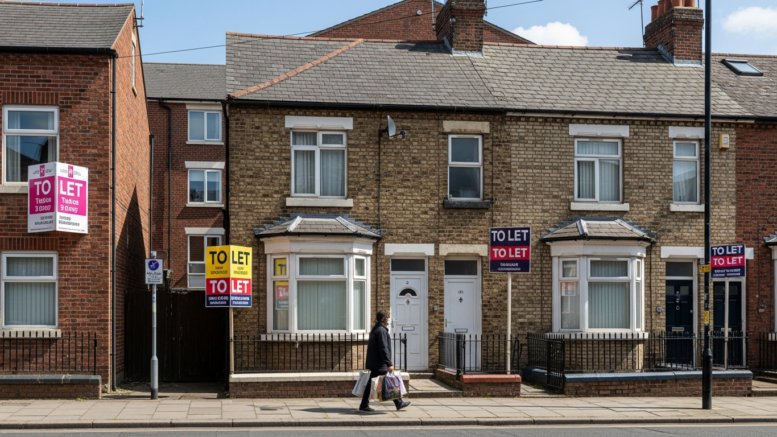
More than four in five renters now support rent controls, according to new SpareRoom research, after another year of steep rent rises and forced moves across the private rented sector.
The survey of 5,607 UK renters, published in July, found 77.6 percent strongly support rent controls and a further 7 percent somewhat support them. It also found 32 percent of renters across the UK – and 35 percent in London – said they had been forced to move in the past 12 months because their rent had become unaffordable.
For landlords, the immediate significance is political as much as financial. With affordability pressure still severe after the Renters’ Rights Act came into force, polling like this gives fresh weight to calls for caps or freezes just as the new government settles into office.
SpareRoom data shows pressure is still rising
SpareRoom’s figures paint a sharp affordability picture. Just 15.3 percent of renters said they spend less than 30 percent of their take-home pay on rent, while 37.8 percent said rent takes at least half of their after-tax income. Two thirds of renters said they had seen rents rise in the past year.
That helps explain why support for intervention is now so broad. The same survey found only 8.2 percent were opposed to rent controls, while support for temporary rent freezes as an emergency measure was even higher at 86.8 percent.
Why this matters for landlords now
The most important point for landlords is that tenant frustration is no longer just about isolated high-cost hotspots. SpareRoom’s data suggests the squeeze is broad-based and politically easy to package into a simple message: rents are still rising faster than many households can absorb.
This follows Landlord Knowledge’s coverage of slower rent increases after the RRA launch, which showed the market had not stopped moving just because annual growth cooled in some datasets. The latest SpareRoom findings add a sharper political edge: even where rent inflation slows, affordability can still be bad enough to fuel support for intervention.
There is a warning for landlords in the detail too. Among renters who opposed rent controls, the most common objection was that caps do not solve the supply shortage. Even critics are still framing the problem around limited stock and rising costs.
That leaves landlords in a narrow lane. The sector can argue that rent controls would reduce supply, but it also needs to show how supply can expand under the current tax, regulatory and planning climate. Without that second half of the case, the politics may move faster than the economics.
SpareRoom director Matt Hutchinson said rents had hit record highs in six of the UK’s nine regions and warned supply had taken “a battering” since the act came into effect. If rents keep climbing while listings stay tight, pressure for visible action could build quickly.
What this means for landlords
- If you are reviewing rents: expect sharper tenant resistance and a tougher political backdrop to large uplifts.
- Watch for: any move from ministers or mayors to test emergency freezes, local powers or stronger rent-setting rules.
- Portfolio point: stock in areas with the biggest affordability strain may face the highest policy risk.
- Communication matters: landlords and agents should be ready to explain increases in plain cost terms, not just market language.
- Bottom line: support for rent controls is no longer fringe – it is becoming mainstream renter opinion.
Editor’s view
Landlords can dismiss rent control polling at their own risk. Once affordability anger hardens into a simple political demand, the sector often ends up arguing about the shape of intervention rather than whether it arrives.
Author: Editorial Team – UK landlord & buy-to-let news, policy, and finance
Published: 22 July 2026
Sources: SpareRoom July 2026 renter survey
Related reading: Propertymark says Scotland rents jump 7.7% in May as affordability pressure spreads
📘 Renters’ Rights Act: Complete Landlord Guide
Everything you need to know about the new rules – 1 May 2026