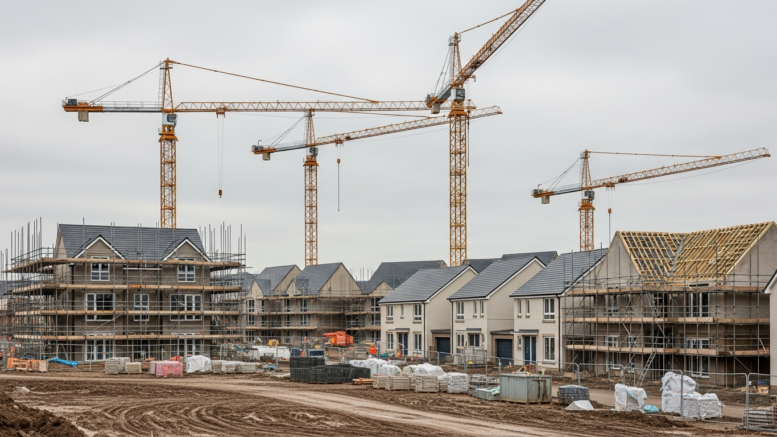
Scottish housebuilding completions fell 10 percent in 2025-26 and new starts dropped to their lowest level since 2012-13, according to fresh Scottish Government figures that underline how weak supply remains across the market.
The official update shows 17,268 homes were completed and 14,955 were started across all sectors in 2025-26. Excluding the pandemic-disrupted year, all-sector completions were the lowest since 2016-17, while starts were below even 2020-21 levels.
For landlords, the immediate significance is straightforward: weak building volumes tend to keep pressure on rental supply, especially when tenant demand does not ease at the same pace. That creates a more supportive backdrop for rents, but also keeps affordability and policy pressure high.
Private housebuilding remains under pressure
The private sector completed 13,494 homes in 2025-26, down 8 percent on the previous year, while starts fell 12 percent to 11,018. That makes private starts the lowest since 2012-13, a figure that will stand out to landlords tracking future competition, tenant flows and regional supply constraints.
Social sector completions also fell, down 16 percent to 3,774 homes, although starts rose 25 percent to 3,937. That offers some medium-term support, but it does not change the near-term picture of a market still not adding homes quickly enough.
This follows Landlord Knowledge’s coverage of Savills’ warning that England is set to miss its 1.5 million homes target by 662,500. The latest Scottish figures point in the same direction: political promises on supply are still colliding with slower delivery on the ground.
Why landlords should watch supply data closely
Housebuilding data is not just a developer story. For landlords, it helps signal where rental competition may tighten, where affordability pressure may deepen and where governments could face stronger demands for intervention. If new supply remains weak while private landlords continue to exit selectively, the pressure on available stock can intensify quickly.
There is also a timing issue. Starts are a forward-looking indicator. When they fall this sharply, the effect can run beyond one reporting year and shape the availability of homes well into the next part of the cycle.
Landlords with assets in stronger-demand Scottish cities may see the figures as support for occupancy and rents, but the politics cut the other way. Persistent underbuilding tends to fuel calls for tougher intervention, and that can feed directly into future regulation of the rented sector. The primary data is here: Scottish Government housing statistics to end March 2026.
What this means for landlords
- If you own in supply-starved areas: weaker building rates may keep tenant demand firmer for longer.
- Watch for: more political pressure for housing intervention where supply data keeps disappointing.
- Use the signal: starts data matters because it points to the homes that will – or will not – arrive next year.
- Do not ignore affordability: tighter supply can support rents, but it also raises arrears and policy risk if wages lag.
- Bottom line: Scotland’s latest figures strengthen the case that rental supply pressure is not easing quickly.
Editor’s view
Landlords often benefit financially when supply stays tight, but that is rarely a comfortable long-term backdrop. Chronic underbuilding keeps the rental market supportive and politically exposed at the same time.
Author: Editorial Team – UK landlord & buy-to-let news, policy, and finance
Published: 3 July 2026
Sources: Scottish Government
Related reading: Savills says England will miss 1.5m homes target by 662,500