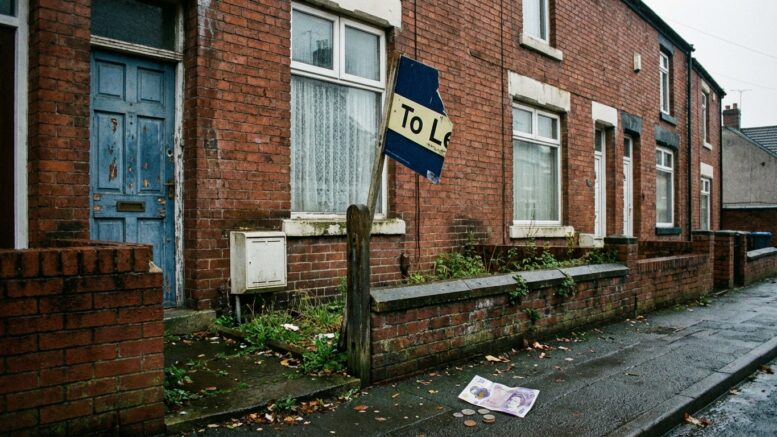
Peers have challenged the government over the Renters’ Rights Act after data showed 110,000 landlords are expected to leave the private rented sector this year. In oral questions in the House of Lords, Conservative peers clashed with ministers over whether the legislation would worsen the rental supply crisis.
Landlords voting with their feet
Lord Jamieson tabled a question asking how landlords, tenants and councils are prepared for the Renters’ Rights Act, which comes into force on 1 May 2026. He cited figures from Black and White Bridging showing 93,000 landlords left the market in 2025, with 110,000 predicted to follow this year.
Jamieson told the House: “Landlords are voting with their feet, exiting the market in ever higher numbers. The English Private Landlord Survey reveals 31 percent of landlords are looking to reduce their portfolio and 16 percent to exit completely. Can the Minister explain how this helps those desperately looking for a home to rent?”
Baroness Taylor of Stevenage, Parliamentary Under-Secretary of State for Housing, responded that the government had worked with landlords to help them prepare. She said: “We know landlords need time ahead of the implementation to make sure they’re compliant with the reforms, which is why we’ve published full guidance on the government website.” Officials had spoken to over 1,000 landlords and letting agents at industry events and attended the NRLA conference, she added.
Minister avoids direct question on supply
Lord Harper pressed the minister directly, asking: “Does she think the changes in the Renters’ Rights Act are going to lead to more houses being available to rent or fewer?”
Baroness Taylor did not answer directly but said: “I think it will lead to better conditions for renters and it will remove some of the barriers that stop people from renting. We have banned rental bidding to level the playing field for renters, and landlords will no longer be able to encourage prospective renters to stretch themselves beyond their means.”
She added that landlords could no longer discriminate against tenants on benefits or with children. “We think the work we’ve done with landlord and tenant groups means we have a fair system that rewards good landlords and tenants but makes sure that bad landlords are held to account for the bad practices they’ve had in place.”
The exchange follows RICS data showing landlord instructions continue to decline, with a further tightening of rental supply expected. The combination of regulatory change and tax increases has created what industry figures describe as a perfect storm for private landlords. The full Lords debate is available on Hansard.
Editor’s view
The minister’s refusal to answer whether supply would increase or decrease tells its own story. With over 200,000 landlords projected to exit in just two years, the government appears to be betting that better conditions for tenants will offset reduced choice. For landlords still in the market, the implicit message is clear: comply or leave.
Author: Editorial Team – UK landlord & buy-to-let news, policy, and finance
Published: 12 February 2026
Sources: House of Lords, Black and White Bridging, English Private Landlord Survey
Related reading: RICS: rents set to rise as landlord supply falls further