

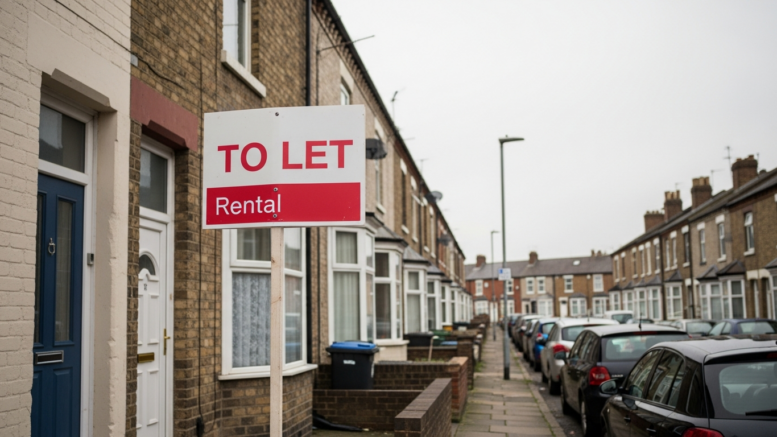
Only 1.9 percent of private rental listings across Britain are now affordable to households relying on housing benefit, according to new analysis led by Crisis and Citizens Advice using Zoopla listings data.
The figure is down from 2.7 percent a year earlier, with the average shortfall between support levels and the cheapest third of rents for a two-bedroom home put at £403 a month. The charities said the gap is widening as Local Housing Allowance remains detached from current market rents.
For landlords, the immediate issue is not only tenant affordability. A larger benefit gap can mean higher arrears risk, more failed applications and heavier dependence on discretionary support from councils already under pressure.
Affordability gap widens across Britain
The analysis found especially tight affordability in Wales, where just 0.7 percent of advertised private rentals were affordable to households on housing benefit. In England the figure was 1.8 percent, while Scotland was notably higher at 5.5 percent. London was at 1.2 percent.
The charities said more renters receiving support are cutting back on essentials and seeking help with food banks, while contacts about arrears and homelessness have also increased.
This follows Landlord Knowledge’s previous coverage of calls to unfreeze housing benefit rates, which warned that benefit support was lagging behind the market. The latest figures suggest that mismatch has become even harder for lower-income households to bridge.
Why landlords should care
Some landlords will see this as a tenant policy story rather than a landlord one. But where Local Housing Allowance falls too far behind actual rents, landlords face more broken affordability checks, more payment plans and more uncertainty over whether tenancies can be sustained.
That sits alongside Landlord Knowledge’s recent report on rising rents, which showed pressure building again in parts of the market. Higher asking rents may support returns on paper, but they also widen the gap for households whose support no longer reflects local pricing.
The headline figures come from new analysis by Citizens Advice’s media and research coverage, which set out the scale of the affordability squeeze facing benefit-backed renters.
What this means for landlords
- If you let to benefit-backed tenants: expect more affordability strain unless support levels change.
- Watch for: higher arrears risk where the gap between LHA and market rents is widest.
- If you are re-letting: tenant demand may stay high, but fewer applicants may pass affordability checks cleanly.
- Plan for: more negotiation over rent levels, guarantors or council-backed support packages.
- Bottom line: shrinking affordability can raise risk for landlords even when headline demand remains strong.
Editor’s view
Landlords do not control benefit policy, but they do absorb some of its consequences. When support falls this far behind rents, the result is not a healthier market – it is a more fragile one.
Author: Editorial Team – UK landlord & buy-to-let news, policy, and finance
Published: 14 July 2026
Sources: Crisis, Citizens Advice, Zoopla listings analysis
Related reading: Propertymark backs push to unfreeze housing benefit rates