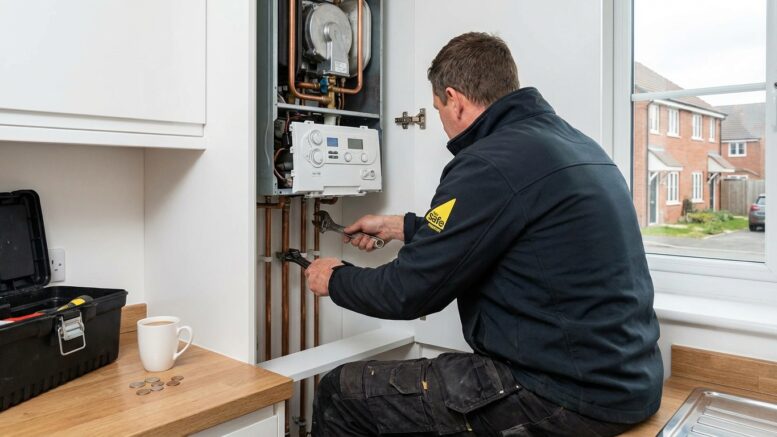
Updated February 2026: This guide has been fully revised with current pricing, coverage details, and market information.
Home emergency cover provides landlords with protection against unexpected repairs and callouts that could otherwise cost hundreds of pounds. This guide explains what landlord home emergency insurance covers, what it typically excludes, and whether it represents good value for buy-to-let investors.
What is landlord home emergency cover?
Home emergency cover is an insurance product that pays for emergency repairs to essential systems in your rental property. When a boiler breaks down on a Friday night or a pipe bursts while your tenant is away, emergency cover means you can call out a qualified tradesperson without worrying about the bill.
Most policies cover the callout fee and labour costs for emergency repairs, typically up to a set limit per claim (often £500-£1,000) and a maximum number of claims per year.
What does home emergency cover include?
Standard landlord home emergency policies typically cover:
- Boiler and heating breakdown - repair or temporary heating if your boiler fails
- Plumbing emergencies - burst pipes, leaks, and blocked drains
- Electrical failures - total loss of power or dangerous faults
- Roof damage - emergency repairs following storm damage
- Locksmith services - if tenants are locked out or locks are damaged
- Pest infestations - some policies cover removal of rats, mice, or wasps
- Broken windows and doors - securing the property after damage
What is typically excluded?
Home emergency cover is not a substitute for full buildings insurance or a maintenance contract. Common exclusions include:
- Pre-existing faults or gradual deterioration
- Boilers over a certain age (often 10-15 years)
- Cosmetic damage or redecoration
- Replacement parts above a certain value
- Properties left unoccupied for extended periods
- Routine maintenance and servicing
How much does landlord home emergency cover cost?
Standalone home emergency cover typically costs between £100 and £200 per year for a standard rental property. Many landlord insurance providers offer it as an add-on to buildings and contents policies, sometimes at a discounted rate.
The cost varies depending on property type, age of systems, location, and the level of cover selected. Higher claim limits and additional benefits like annual boiler servicing will increase the premium.
Is home emergency cover worth it for landlords?
Whether home emergency cover is worthwhile depends on your circumstances:
It may be worth it if:
- You have older properties with ageing boilers or plumbing
- You live far from your rental property and cannot respond quickly
- You want predictable costs rather than unexpected repair bills
- Your tenants expect a professional response to emergencies
It may not be worth it if:
- Your property has new systems with manufacturer warranties
- You have trusted tradespeople who offer competitive rates
- You prefer to self-insure and set aside funds for repairs
- The policy exclusions mean your likely claims would not be covered
How to choose a policy
When comparing home emergency cover, check:
- Claim limits - how much will they pay per incident?
- Annual claim cap - is there a maximum number of claims?
- Boiler age limits - is your boiler covered?
- Response times - do they guarantee a callout window?
- 24/7 helpline - can tenants report emergencies directly?
- Excess - do you pay anything towards each claim?
Alternatives to home emergency cover
Some landlords prefer alternative approaches:
- Boiler cover only - cheaper if plumbing and electrics are less of a concern
- Property management - many agents include emergency response in their fees
- Self-insurance - setting aside £200-£300 per property annually for repairs
- British Gas or similar contracts - established providers with large engineer networks