
Safeguard Europe has launched a free Got Damp and Mould information portal offering diagnosis guides, treatment flowcharts and a downloadable condensation guide for property owners and occupiers.
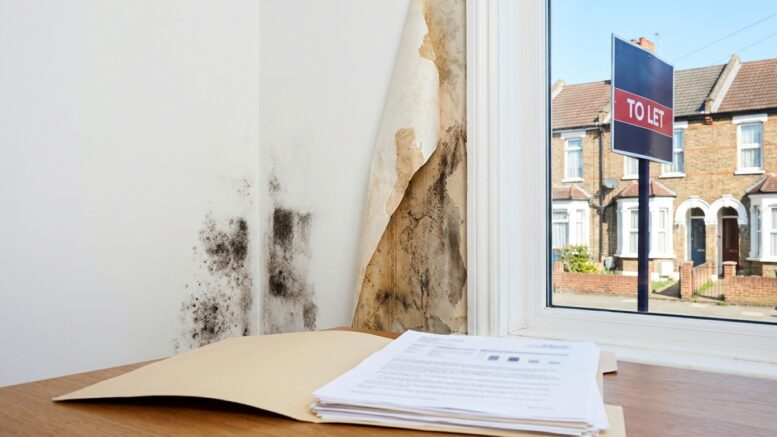
The hub distinguishes between condensation, rising damp and penetrating damp and sets out remedial steps for each. It lands alongside company-commissioned research finding that nearly three quarters of UK households that clean or paint over mould without fixing the underlying damp see it return, with three in ten seeing regrowth within three months.
Timing sharpens the release for landlords. Damp and mould duties sit high on the compliance agenda as Awaab’s Law consultation for the private rented sector works towards tighter repair timeframes, and documented diagnosis plus prompt action now carries more legal weight than surface cleaning.
Surface cleaning alone fails most households
The research found two in three people who dealt with damp or mould in the past year wiped it away with bleach, vinegar or household cleaners, while almost one in five painted straight over it. Both approaches leave the moisture source untouched and invite repeat complaints.
That failure cycle hits rental businesses directly. Repeat mould reports trigger repeat visits, strained tenant relations and a weaker paper trail if a council or tribunal later asks what was actually diagnosed and fixed.
Build an Awaab-ready damp file for each property
The portal material complements official expectations taking shape in the Awaab’s Law consultation for private landlords, which points towards defined investigation and repair windows. Landlords should align damp reports, inspection notes, ventilation advice given to tenants and contractor invoices into one dated file per property.
Scottish landlords already face explicit timelines under damp rules in force from 6 October. English and Welsh portfolios should use the same discipline now: log the report date, inspect quickly, identify the damp type and record the fix.
This follows Landlord Knowledge’s report on higher gas and environmental risks flagged across five areas, a reminder that unseen property hazards increasingly turn into enforcement risk when landlords lack evidence of action. Damp belongs in the same inspection mindset.
What this means for landlords
- If you get a mould report: inspect promptly, identify whether it is condensation, rising or penetrating damp, and fix the cause rather than authorising a cosmetic clean.
- Watch for: Awaab’s Law timeframes for the private rented sector; keep every report, visit note and invoice dated and stored.
- Bottom line: use the free diagnosis material to upskill staff and contractors, then prove the full repair trail for each case.
Editor’s view
Most mould disputes are won or lost on evidence. Landlords who can show fast inspection, correct diagnosis and a completed fix will stand apart when councils start judging damp files against the clock.
Read the primary source: official release and data.
Author: Editorial Team – UK landlord & buy-to-let news, policy, and finance
Published: 10 November 2026
Sources: Safeguard Europe
Related reading: Awaab’s Law consultation opens for private landlords