

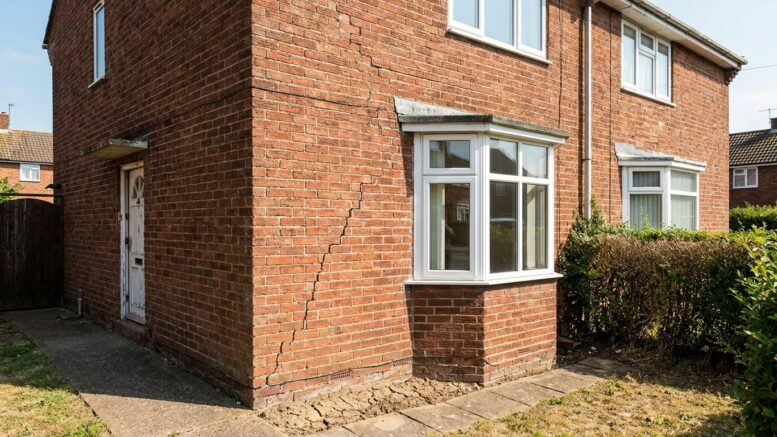
The average UK subsidence claim reached £20,000 between April and June, the Association of British Insurers has reported, as this year’s hot and dry conditions put fresh pressure on homes built on vulnerable ground.
The ABI said insurers paid £72m for domestic subsidence claims in the quarter, compared with £60m a year earlier. Hastings Direct has also reported a record August for claims, almost 140 percent above the same month in 2025, with insurers expecting elevated volumes to continue into autumn if soils do not recover moisture.
For a landlord, the immediate issue is not simply the cost of a major repair. A suspected movement claim can affect a tenancy, access for surveyors, renewal terms and the decision on whether to sell or refinance. Small cracks have many causes, but changes around doors, windows and floors need a measured response rather than a cosmetic patch.
Claims rise as dry ground affects foundations
Subsidence occurs when the ground beneath a building moves down, taking part of the structure with it. Clay soils can shrink in prolonged dry weather, while trees, leaking drains and local ground conditions can add to the risk. Insurers will investigate the cause before agreeing repairs, and the work can involve monitoring over several seasons before any structural solution is chosen.
Landlord Knowledge’s previous coverage of expensive landlord repairs highlighted that underpinning is a last-resort intervention, not the automatic answer to every crack. That distinction is important when a tenant raises a concern: recording the location, date and any change in width gives a surveyor better evidence than an assumption about the cause.
Buildings insurance and property maintenance
Landlords should check the excess, notification rules and claims history recorded against each policy before arranging substantial works. Policy wording differs, and a broker or insurer should be asked before committing to remedial work that could affect a claim. Keeping a clear record of inspections, tenant reports, photographs and contractor advice can also help separate a new event from an older defect.
This follows Landlord Knowledge’s March guide to prioritising repair requests, which set out why urgency and evidence should guide the response to a property problem. The new insurance figures add a sharper cost warning for landlords with older homes or stock in areas where dry ground is common.
The ABI’s subsidence claims data shows the scale of the financial exposure across the market, but it does not make a diagnosis for an individual building. A landlord facing visible movement should use an appropriately qualified surveyor or the insurer’s claims process, while keeping tenants informed about access and safety arrangements.
The timing also makes insurance renewal worth closer attention. A prior subsidence history, whether resolved or still under investigation, can alter available cover and the excess. Waiting for a small defect to become a larger one may reduce the options available to the owner and disrupt the occupier for longer.
What this means for landlords
- If a tenant reports new cracks or sticking doors: log the report, take dated photographs and follow the policy’s notification process rather than arranging structural work first.
- Check before renewal: review subsidence excesses, prior claims and any property-specific exclusions with the insurer or broker.
- Bottom line: hot, dry weather has increased the cost and volume of subsidence claims, so early evidence and a proper diagnosis are more useful than a quick cosmetic repair.
Editor’s view
Subsidence is a slow-moving risk until it is not. Landlords cannot control the weather or the soil beneath a house, but they can avoid making a difficult claim harder through weak records, delayed reporting or a repair that addresses only what is visible.
Author: Editorial Team – UK landlord & buy-to-let news, policy, and finance
Published: 12 September 2026
Sources: Association of British Insurers, Hastings Direct, Met Office
Related reading: Landlords Face Hefty Repair Bills: Costly Fixes Revealed













Be the first to comment on "ABI: subsidence claims reach £20,000 after hot weather"