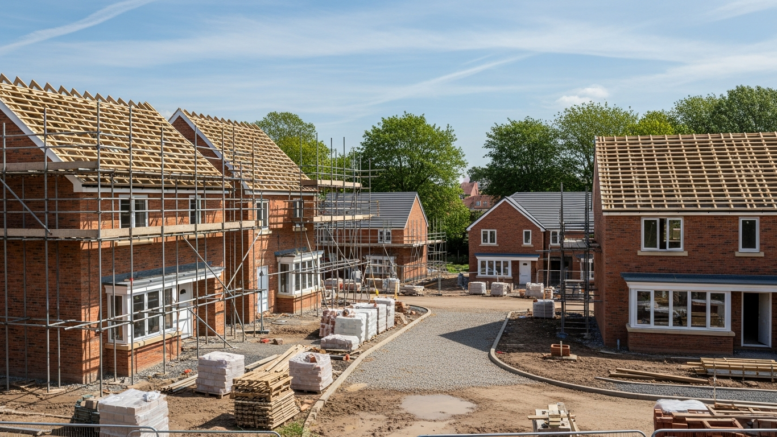
New home registrations fell 6 percent in the first quarter of 2026, with the rental and affordable pipeline also down, adding another warning for landlords already facing weak stock growth across the private rented sector.
Figures from the National House Building Council show 26,959 homes were registered in Q1, down from 28,715 a year earlier. Private sector registrations fell 7 percent to 18,072, while the rental and affordable segment dropped 4 percent to 8,887.
Fewer new homes means less future rental stock
For landlords, the headline is not just that house builders are cautious. It is that future supply is still struggling to build any momentum at the point when rental demand remains firm and many smaller landlords are already thinning stock.
That fits with recent Landlord Knowledge reporting on tenant demand rising while landlord supply falls and ONS data showing rents still rising nationally. If fewer homes are coming through planning and onto sites now, landlords should not expect the supply picture to ease quickly later in the year.
According to the NHBC’s Q1 release, eight of the UK’s 12 regions recorded annual falls in registrations. London was down 37 percent, Wales 21 percent and Northern Ireland 44 percent. The North West was the main bright spot, with registrations up 27 percent.
London and regional weakness matter for landlords
London’s decline stands out because it comes after a long run of stories about tighter rental choice and more sensitive pricing in the capital. A falling construction pipeline does not guarantee higher rents, but it does mean fewer new homes entering a market that still has structural shortages.
This follows Landlord Knowledge’s May report on London landlords holding supply after the RRA, which showed the market staying active even as rent growth steadied. The new NHBC figures suggest that any relief from extra development stock may take longer to arrive than renters – and landlords – might hope.
NHBC said developers are facing a ‘perfect storm’ of weak confidence, affordability pressure and higher costs. That argument will not win much sympathy from landlords dealing with their own cost squeeze, but the practical point is sound: if projects are delayed now, rental scarcity can drag on even if demand cools a little.
What this means for landlords
- If you are buying: regional differences are widening, so local supply trends matter more than national averages.
- If you own in London or Wales: weak registration numbers suggest new competing stock may stay limited in the near term.
- Watch for: whether planning reform or buyer support revives starts in Q2 and Q3.
- Bottom line: the supply crunch is still a live issue, and the development pipeline is not fixing it yet.
Editor’s view
Landlords keep hearing that more supply is on the way. These numbers say the pipeline is still thin where it matters, especially in higher-pressure regions.
Author: Editorial Team – UK landlord & buy-to-let news, policy, and finance
Published: 21 May 2026
Sources: NHBC
Related reading: RICS: tenant demand rises as landlord supply falls