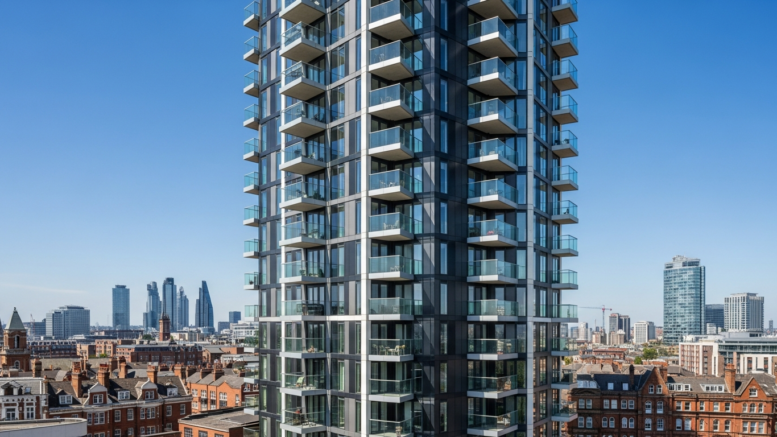
All new high-rise blocks taller than 18 metres will need at least two evacuation lifts under proposed changes to building regulations, in a move that could affect HMO landlords planning conversions or developments.
The Building Safety Regulator has proposed adding the requirement as part of updates to Approved Document B, which sets out fire safety standards for buildings.
Departure from stay put policy
The change marks a significant shift from previous guidance that relied on the stay put strategy and firefighters assisting disabled residents during emergencies. Under the new rules, buildings would need two evacuation lifts to allow residents who cannot use stairs to escape independently.
The consultation document states there was “clear support” from the sector for the change, which would align regulations with current construction and design practices.
This follows Landlord Knowledge’s coverage of the Future Homes Standard, which bans new homes from gas connections from 2028 – adding to the regulatory changes facing property developers.
Additional fire safety updates
Other proposed changes to Approved Document B include:
- New alarm coverage requirements in specialised housing
- Extra fire safety guidance for roofs including around solar panels
- Improved fire resistance standards for open-sided car parks following incidents in Liverpool and Luton
- Updated guidance on fire spread over external walls following the Grenfell Tower Inquiry
- Clarification on where guidance should not apply when buildings use combustible structural elements
A consultation on the changes is open until mid-June, with any amendments expected to come into force in three years.
What this means for landlords
- New developments only: The rules apply to new-build blocks over 18 metres – existing buildings are not affected, but conversions may need to comply
- HMO conversions: If you are planning a high-rise HMO conversion or development, factor in dual lift costs from the planning stage
- Solar panel guidance: Landlords adding rooftop solar will need to follow updated fire safety guidance
- Bottom line: With a three-year lead time, developers have time to adjust designs – but the direction of travel is toward stricter fire safety requirements for all new higher-risk buildings
Editor’s view
Post-Grenfell regulation continues to reshape new development. For most landlords with existing smaller properties, these rules do not directly apply. But they signal the broader regulatory environment new investors and developers are operating in – and add to construction costs that ultimately affect property prices and rental yields.
Author: Editorial Team – UK landlord & buy-to-let news, policy, and finance
Published: 27 March 2026
Sources: Building Safety Regulator, Health and Safety Executive
Related reading: Wembley HMO landlord fined £92,000 for serious safety breaches