Landlords seeking to regain possession of their properties under the Renters’ Rights Act will need to prove they have correctly protected tenant deposits, according to new government guidance published this week.
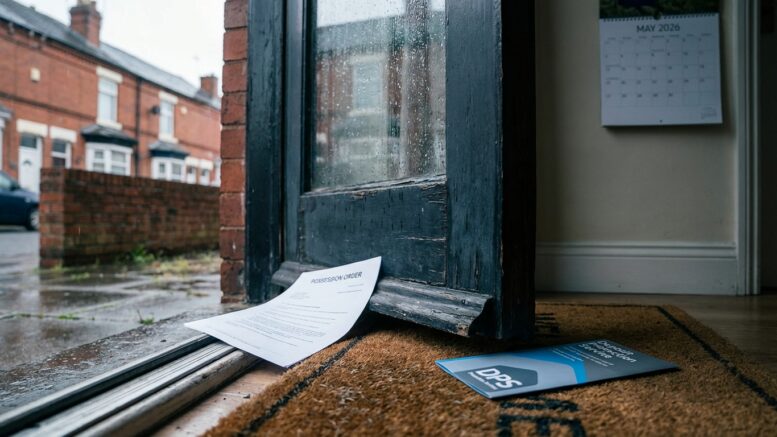
The clarification, issued ahead of the Act coming into force on 1 May 2026, confirms that courts will refuse possession orders unless landlords can demonstrate full compliance with deposit protection rules.
Deposit compliance becomes possession requirement
Under the updated guidance, landlords must satisfy three requirements before most possession grounds can be used. They must have placed the deposit in a government-approved tenancy deposit scheme such as the Deposit Protection Service (DPS), MyDeposits or the Tenancy Deposit Scheme (TDS). They must also have complied with the scheme’s requirements when the deposit was received, and provided the tenant with the correct prescribed information about the protection.
A court will only grant a possession order if all three conditions have been met. Alternatively, landlords may proceed if they have returned the deposit in full, or with deductions agreed by the tenant, before seeking possession.
The rules also allow possession to proceed where a tenant previously challenged the landlord’s deposit compliance through the courts and the case has been decided, settled or withdrawn.
Antisocial behaviour grounds exempt
The deposit requirements do not apply to Ground 7A or Ground 14, which cover antisocial behaviour. This means landlords dealing with serious tenant misconduct can still pursue possession even if deposit protection has lapsed or been mishandled.
For all other grounds – including the new grounds that will replace Section 21 notices – deposit compliance is now a prerequisite. This represents a significant tightening of enforcement, giving tenants an additional defence against possession claims where landlords have failed to follow correct procedures.
Existing tenancies face information requirement
The government has also confirmed that landlords with existing written tenancy agreements will not need to provide a new agreement when the Act comes into force. However, they must provide tenants with a separate information sheet outlining the changes introduced by the legislation or face fines.
Final versions of the required tenancy agreement content and information sheets are expected to be published in March, giving landlords limited time to prepare for the 1 May implementation date. The government’s RRA database pilot programme is also continuing alongside these administrative preparations.
Full details of the deposit protection requirements can be found in the government’s updated landlord guidance.
Editor’s view
This clarification removes any ambiguity: deposit protection is no longer just good practice but a legal gate to possession proceedings. Landlords who have let compliance slip – particularly on older tenancies – should audit their records now. Coming unstuck on a technicality when you need to regain your property is an expensive lesson.
Author: Editorial Team – UK landlord & buy-to-let news, policy, and finance
Published: 11 February 2026
Sources: Ministry of Housing, Communities and Local Government
Related reading: Landlords urged to serve Section 21 notices before 1 May deadline