

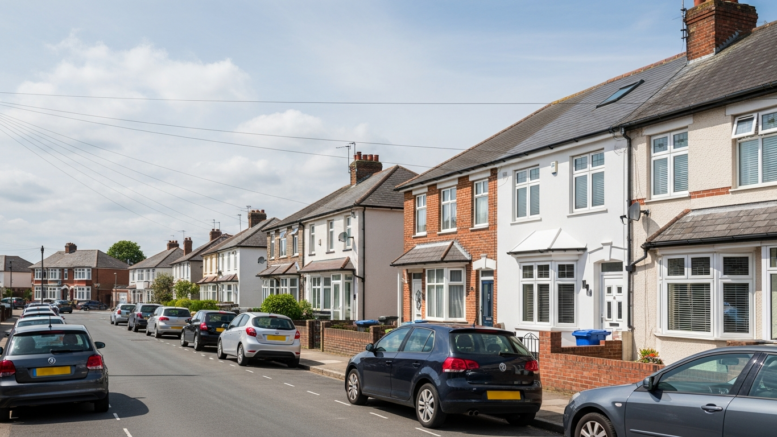
Energy-efficient homes are adding only a modest premium to sale values, with Nationwide saying properties rated EPC A or B are worth around 1.6 percent more than comparable D-rated homes, while buy-to-let stock shows a much bigger gap.
The building society said the effect is far stronger in the landlord market, where A or B rated properties attract a 12.2 percent premium. That comes as ministers continue to push towards an EPC C minimum for private rented homes by 2030.
For landlords, the immediate point is not just whether greener homes sell for more. It is whether future compliance costs are already being priced into lower-rated stock, and whether better-rated properties will become harder to buy cheaply as the 2030 deadline gets closer.
Nationwide says EPC premium stays limited in owner-occupied market
Nationwide’s latest analysis found that C and E rated homes show little noticeable price difference against D-rated stock in the owner-occupied market. At the bottom end, F and G rated homes were worth about 1.4 percent less than similar D-rated properties.
That suggests buyers still put location, affordability and condition ahead of headline EPC performance when pricing homes. But the buy-to-let figures point to a more practical market response among landlords, where future upgrade bills and lending criteria matter more directly.
Landlords may face a wider pricing gap before 2030
The bigger landlord premium is important because it lands on top of rising retrofit estimates. Buyers taking on lower-rated property may be factoring in future spending, longer voids during works, or the risk that tougher lending and compliance rules reduce flexibility later in the decade.
This follows Landlord Knowledge’s report on landlords putting average EPC C upgrade costs at £11,713 per property. The latest Nationwide figures add a market value angle to that cost debate, suggesting better-rated stock may already be commanding a clearer advantage in the buy-to-let segment.
Landlords weighing purchases should also remember that lenders are already treating the issue as a live one, as shown by The Mortgage Works’ EPC support pilot ahead of the 2030 target.
The warning for investors is straightforward: a modest premium today can still translate into a larger effective gap once upgrade costs, finance terms and future saleability are added together. That matters most for older stock in areas where rents cannot easily absorb refurbishment spending.
Nationwide’s housing market research is available on its official reports page.
What this means for landlords
- If you’re buying: compare the EPC discount on lower-rated homes against the likely real cost of getting to EPC C.
- If you’re refinancing: check whether a stronger EPC could improve lender choice or future saleability.
- Watch for: wider pricing gaps as 2030 gets closer and compliance risk becomes more immediate.
- Be selective: older homes in weaker rent-growth areas may be hardest to upgrade profitably.
- Bottom line: EPC value shifts still look modest in the wider market, but landlords are already feeling a sharper premium.
Editor’s view
Landlords do not need the market to hand out huge green premiums for EPCs to matter. A small value gap, combined with a big upgrade bill, is enough to change the sums. The investors who ignore that are the ones most likely to overpay for future hassle.
Author: Editorial Team – UK landlord & buy-to-let news, policy, and finance
Published: 26 June 2026
Sources: Nationwide, Propertymark
Related reading: Pegasus says landlords put EPC C cost at £11,713 a property
🏠 EPC Rules for Landlords: What You Need to Know
Minimum EPC C required by 2030 – new assessment rules from late 2027