

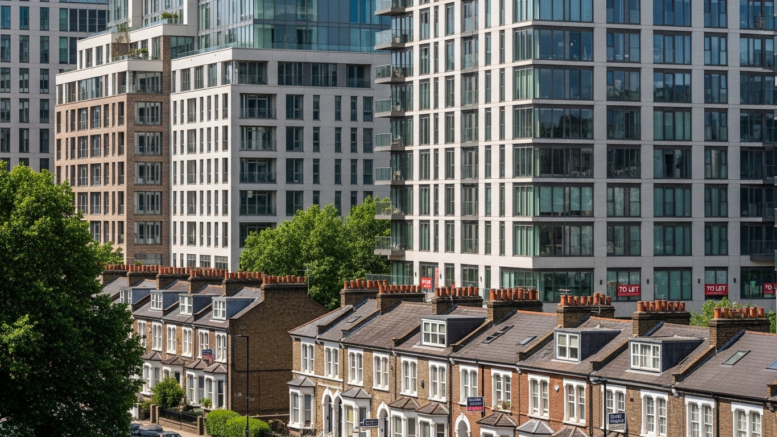
London is now the clear outlier in the UK rental market, with the NRLA saying the capital is driving national rent inflation higher while price growth softens across every other English region. The landlord body said headline private rent inflation stands at 3.3 percent, but rents in England and Wales have risen by much less than wider inflation since January.
The new analysis sharpens a point that can get lost in the monthly headline figures. National rent growth has not disappeared, but the latest breakdown suggests London is moving in a different direction from the rest of the market, with rental price growth in the capital accelerating while other regions cool.
That matters for landlords because it points to a more uneven market than the top-line UK figure suggests. Owners outside London may have less room to push rents than national averages imply, while landlords in the capital may face stronger pricing power but also sharper affordability pressure and political scrutiny.
NRLA says rent growth has decoupled from wider inflation
In its latest deep-dive analysis, the NRLA said private rents across the UK were rising at 3.3 percent on the annual Price Index of Private Rents measure. But it also said rental prices in England had risen by 1.32 percent since January 2026, while Wales recorded a 1.26 percent increase, both below the 2.08 percent rise in the wider Consumer Prices Index over the same period.
The group said that weak regional consistency makes it harder to argue that broader inflation alone is driving rent changes. Instead, it said the data points to structural pressure in London, where rental price growth has accelerated above inflation after lagging it in late 2025.
Capital pulls away as other regions soften
The NRLA said every English region showed slower rental price increases in the latest quarter-on-quarter comparison except London. That does not mean rents are falling in those regions, but it does suggest the pace of increases has cooled outside the capital.
The report argues that long-trailed rental reform may be part of the picture in London, where landlords and tenants have been adjusting to a more demanding legal and cost backdrop for longer. If that pattern spreads, landlords in other regions could face a similar split between firmer rents in pressured city markets and softer pricing elsewhere.
This follows Landlord Knowledge’s recent report on record asking rents and weaker rental supply, which showed the market is still tight even where pricing power is becoming less straightforward. Alongside RICS data showing tenant demand rose while landlord instructions stayed constrained, the latest NRLA analysis suggests landlords should be wary of treating one national rent figure as a guide to every local market.
The more useful takeaway is that rent setting now looks even more local. Landlords who rely on the national inflation number alone may overprice in cooling regions or miss how fast affordability pressure is building in London.
What this means for landlords
- If you let in London: Stronger rent growth may support income, but affordability and policy risk are also rising faster.
- If you let outside London: Check local comparables closely before assuming the national rent inflation rate justifies another sharp increase.
- Watch for: Whether London’s current pattern starts to appear in other high-pressure city markets later in 2026.
- Use current data: Quarter-on-quarter changes may now tell you more than the headline annual rate.
- Bottom line: The UK rental market is no longer moving as one, and landlords should price by region rather than by headline.
Editor’s view
The national rent figure is still useful, but it is becoming a blunt instrument. Landlords who want to stay ahead of arrears, voids and political pressure need a regional view, not a comforting headline.
Author: Editorial Team – UK landlord & buy-to-let news, policy, and finance
Published: 24 July 2026
Sources: NRLA, ONS
Related reading: Rightmove: rental supply falls below 2025 level as rents hit record