

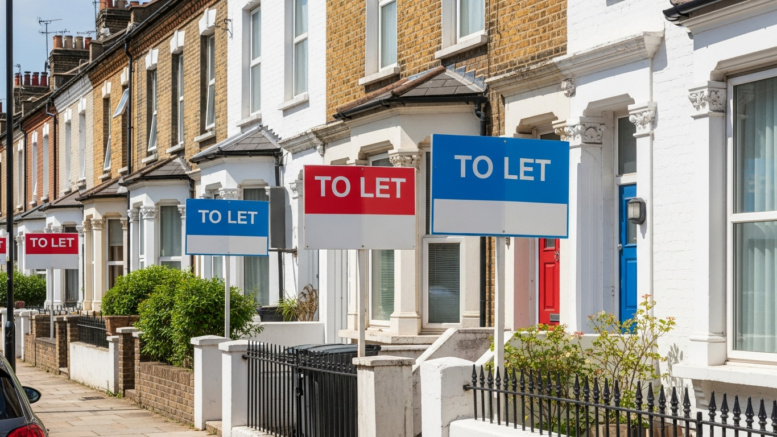
Average UK rents rose to £1,353 in June, with London pulling further ahead after annual growth in the capital hit 5 percent, according to the latest HomeLet Rental Index.
The new figures show rents climbing 1 percent month on month across the UK and 3.4 percent over the year. Excluding Greater London, the average monthly rent reached £1,157, but the sharpest annual pressure remained in the capital, where average rents rose to £2,181.
For landlords, the data matters now because it points to a market that is still moving up on price, but not at the breakneck pace seen in earlier rental spikes. That is useful for investors weighing yield, tenant affordability and void risk as the second half of 2026 begins.
London is still setting the pace
HomeLet’s June release shows 10 of the UK’s 12 regions recorded monthly rent increases. Scotland posted the biggest monthly rise at 3.6 percent, while the West Midlands and North East both logged annual growth of 3.9 percent. But London remained the clear outlier on annual performance, with 5 percent growth and average monthly rents above £2,180.
That split matters because it shows the market is not moving in one direction everywhere. In parts of the country, rent growth is still there but looks more controlled. In London, the pressure is harder to ignore, especially for landlords facing higher financing and compliance costs who still need tenant demand to hold up at elevated rent levels.
This follows Landlord Knowledge’s June coverage of slowing rent inflation in the official ONS data, which suggested the market was cooling from its earlier peaks. The latest HomeLet figures do not overturn that trend, but they do show rents are still moving higher and that London remains on a different track from much of the rest of the UK.
What the latest figures say about landlord pricing power
The data suggests landlords still have room to raise rents in many areas, but pricing power is no longer as blunt as it was when supply shortages were pushing through much steeper increases. A steadier market can help reduce churn if rents stay realistic, especially where tenants are already close to affordability limits.
That makes local judgement more important than headline numbers. Scotland’s monthly jump, for example, looks strong, but Wales posted only 1 percent annual growth and the North West slipped slightly month on month. For landlords, that means the right rent is increasingly a market-by-market decision rather than a simple national uplift.
There is also a strategic point for investors. A market with moderate annual growth and fewer shock jumps can support more stable income planning, but it may also mean weaker cover for owners relying on rent rises alone to offset tax, rate and compliance costs. The latest HomeLet Rental Index suggests demand remains strong enough to keep rents rising, though not evenly and not without regional limits.
What this means for landlords
- If you are reviewing rents this summer: use local evidence rather than assuming national averages justify a big increase.
- Watch for: whether London keeps outpacing the rest of the market through Q3 or begins to flatten.
- Be careful with void risk: in slower-growth regions, overpricing may cost more than a smaller increase.
- Bottom line: rents are still rising, but disciplined pricing is becoming more important than headline momentum.
Editor’s view
The striking part of this release is not that rents rose again. It is that the market looks more selective now, with London still stretching away while other regions move at a steadier pace. For landlords, that rewards realism more than bravado.
Author: Editorial Team – UK landlord & buy-to-let news, policy, and finance
Published: 01 July 2026
Sources: HomeLet
Related reading: ONS: rent inflation slows as house prices rebound