

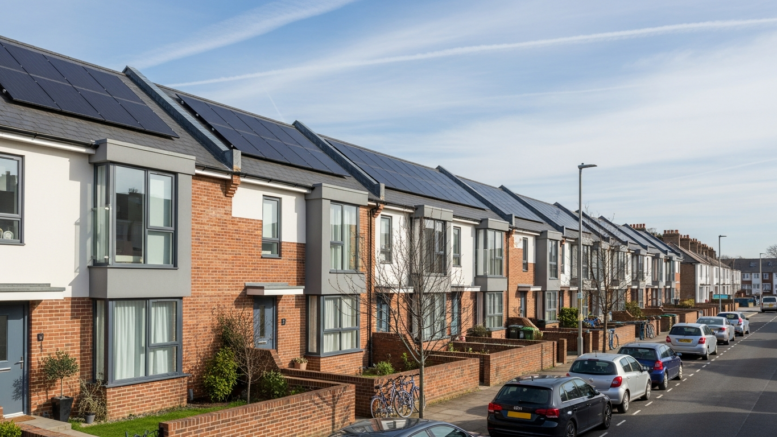
Nearly nine in 10 property investors are increasing spending on greener upgrades, with Handelsbanken saying 89 percent are putting more money into sustainability measures across their portfolios.
The bank’s latest Property Investor Report found EPC C or above is now the most requested sustainability feature from tenants, cited by 66 percent of respondents. But belief that tenants will pay more for greener buildings has dropped sharply from the previous report.
That matters for landlords because it points to a tougher calculation. Investors still see energy efficiency and resilience as necessary, but they may not be able to pass every pound of that spending on through higher rent.
Handelsbanken says tenant demand is driving upgrade plans
The report found landlords and property investors are focusing spending on measures that protect future value, cut running costs and keep homes competitive. Alongside EPC C demand, respondents pointed to requests for EV charging, smart technology and solar panels.
Richard Winder, Handelsbanken’s head of sustainability, said climate and energy risks had moved into the commercial mainstream for property investors. That fits with a market where regulation is tightening, but tenant expectations are also shifting.
Rents may not cover every retrofit cost
The more cautionary detail sits in the pricing data. While 68 percent of landlords still believe tenants are prepared to pay more for greener homes, that figure is down from 92 percent in the previous report. In other words, demand is real, but pricing power may be weaker than many landlords hoped.
This follows Landlord Knowledge’s report on landlords drawing £2.37bn of finance for EPC works, which showed retrofit spending is already turning into a mainstream funding issue. The latest Handelsbanken findings suggest the market case for upgrades remains strong, even if rent uplifts alone do not cover the bill.
There is also a timing issue. With EPC policy, insurance risk and extreme weather costs all moving in the same direction, landlords may decide the bigger risk is waiting too long rather than acting too early. That is especially true for older stock where future works could become more disruptive and expensive.
Investors looking for support may also find the policy debate shifting towards targeted help, as seen in calls for Warm Homes funding to reach landlords. But until that support becomes clearer, most owners will still be making upgrade decisions with their own capital or borrowing.
Handelsbanken’s report coverage is listed on the bank’s official reports page.
What this means for landlords
- If you’re planning works: prioritise upgrades that improve EPC performance and lower running costs, not just cosmetic green features.
- Be realistic on rents: tenant demand for efficient homes is clear, but stronger rents may not fully pay back the investment.
- Watch for: more pressure from lenders, insurers and future EPC policy rather than tenants alone.
- Plan funding early: retrofit costs are easier to absorb before works become urgent or rules tighten further.
- Bottom line: green upgrades are moving from optional extras to portfolio defence.
Editor’s view
The interesting part of this report is not that landlords are spending more on green upgrades. It is that many now seem to think they have little choice. The winners will be those who treat retrofit as a commercial decision early, not a scramble later.
Author: Editorial Team – UK landlord & buy-to-let news, policy, and finance
Published: 26 June 2026
Sources: Handelsbanken
Related reading: Paragon says landlords drew £2.37bn for EPC works
🏠 EPC Rules for Landlords: What You Need to Know
Minimum EPC C required by 2030 – new assessment rules from late 2027