

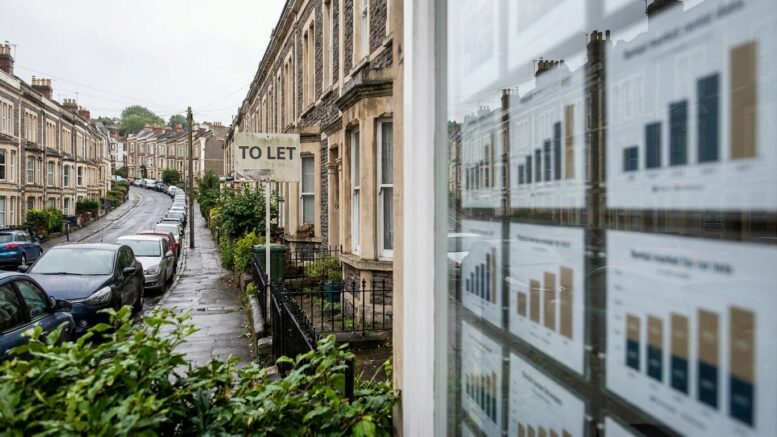
Bristol’s average monthly private rent reached £1,883 in June 2026, up 7.4 percent year on year, according to a new city report combining official rent and sale-price data.
The release also puts Bristol’s gross yield proxy at 6.4 percent, based on annualised average rent against an average sale price of £354,924. That is well above the UK median yield proxy of 4.4 percent cited in the same report.
At that level, Bristol stands out as a market where rents are still climbing fast enough to support headline yields even after years of affordability pressure. For landlords weighing whether higher entry costs still stack up, the latest figures point to a city where income growth remains strong but buying in is far from cheap.
Bristol rents outpace the national picture
In its Bristol Rental Market Report 2026, Upgraded Intelligence said the £1,883 figure is the official modelled average across new and existing private tenancies in the city for June 2026. The company said the annual growth rate placed Bristol in the 93rd percentile nationally.
The same release said Bristol’s average sale price was £354,924 in May 2026. On that basis, its city-level gross yield proxy came in at 6.4 percent. The report is careful to say this is a comparison tool rather than a property-level return because it excludes costs, voids, tax and financing.
That caveat matters because headline yield proxies can flatter expensive cities if landlords treat them as a direct measure of take-home return. Even so, a rent level near £1,900 a month will still catch investors’ attention at a time when many are testing whether regional rent growth can keep pace with rising compliance and borrowing costs.
This follows Landlord Knowledge’s report that UK rents rose 3.7 percent while landlord supply stayed under pressure, suggesting Bristol is still running well ahead of the national trend on rent growth. The city’s higher average also helps explain why local enforcement and licensing policy remains such a live issue for investors in the South West.
Yield story is useful – but it is not the whole picture
The 6.4 percent gross-yield proxy will also interest landlords looking beyond London and the South East for stronger income performance. It sits against a UK median of 4.4 percent in the release, but the methodology notes are important: rents are from June 2026, sale prices are from May 2026, and the figure should be used for comparison rather than as a promise of achievable return on any one property.
Bristol can still offer strong rental income on paper, but margins will vary sharply once finance costs, refurbishment, licensing and management are factored in – particularly for landlords operating HMOs or older stock that may need energy or safety upgrades.
Landlords in Bristol are already facing a tougher compliance backdrop. Earlier this month, Landlord Knowledge reported that Bristol City Council added civil penalties of up to £35,000 to its latest private rented sector enforcement policy, raising the stakes for owners who get licensing, property standards or anti-social behaviour controls wrong.
What this means for landlords
- If you’re buying in Bristol: strong rent growth may support the numbers, but stress-test deals against local compliance, finance and refurbishment costs rather than relying on headline yields alone.
- Watch for: whether rent growth stays this strong into autumn if affordability pressure starts to bite harder for tenants.
- Bottom line: Bristol still looks capable of producing above-median rental income, but landlords need to separate city-wide averages from the real return on the specific property they plan to hold.
Editor’s view
Bristol remains one of those markets where a strong headline can be true and incomplete at the same time. Rent growth and average yields look attractive, but landlords who ignore local costs and enforcement risk could still find the margin thinner than the city-wide data implies.
Author: Editorial Team – UK landlord & buy-to-let news, policy, and finance
Published: 28 August 2026
Sources: Upgraded Intelligence
Related reading: ONS: UK rents rise 3.7% as landlord supply stays under pressure