

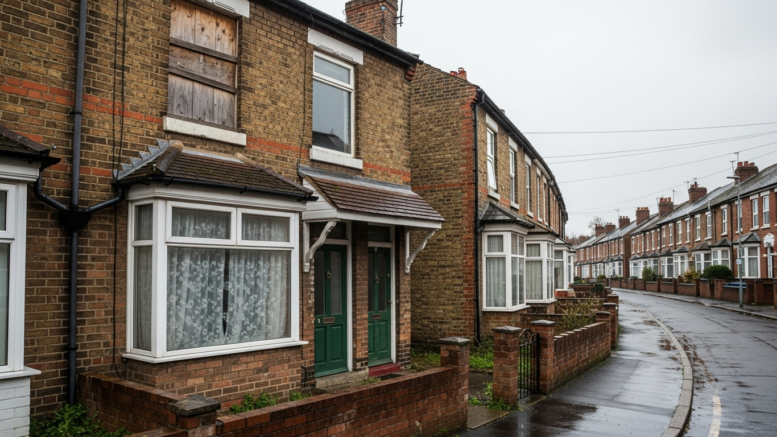
Southend Council has secured a £25,224.39 court bill against a landlord who rented out an unsafe property despite a live Prohibition Order and without the required selective licence.
The prosecution was confirmed this week after Samuel Nyantakyi was found guilty at Southend Magistrates’ Court on 14 May of breaching the order at a property in Kilworth Avenue and letting it without a licence. The council said officers found significant Category 1 and Category 2 hazards and that tenants, including a family, were living there despite the legal ban on occupation.
For landlords, the case is a fresh warning that councils are still willing to pursue criminal prosecutions – not just civil penalties – where they believe there has been clear non-compliance and a financial gain from unsafe housing.
Southend court case ends with £25,224 landlord bill
According to Landlord Knowledge’s recent coverage of HHSRS enforcement checks, councils are entering a more assertive enforcement phase as housing safety rules tighten. Southend’s latest case adds a concrete example of how licensing failures and hazard breaches can combine into a much larger bill once costs and the victim surcharge are added.
Southend Council said the landlord was ordered to pay £14,000 for breaching the Prohibition Order, £1,760 for failing to obtain a selective licence, £3,160.39 in prosecution costs and a £6,304 victim surcharge. That took the total to £25,224.39.
The authority said the property should not have been occupied because the Prohibition Order was already in force due to serious safety concerns. Officers then confirmed the home was also being let without the licence required under the local scheme.
Why the prosecution matters now
The timing matters because councils are under pressure to show they can use existing powers effectively before the full longer-term impact of rental reform is assessed. Cases like this also show that landlords can face multiple layers of liability from a single property – hazards, licensing breaches, court costs and surcharges.
That is especially relevant for landlords operating in areas with selective or additional licensing, where a paperwork failure can sit alongside more serious condition issues. In practice, once a council has evidence that a landlord kept letting after formal intervention, the room for a lighter outcome narrows sharply.
This follows Landlord Knowledge’s report on rising complaint pressure under the post-RRA regime, which highlighted how councils and agents expect tougher scrutiny across the private rented sector. The Southend prosecution suggests some authorities are already moving beyond policy changes and into visible court action.
Southend’s statement also underlines another point for landlords: a Prohibition Order is not an administrative warning. Once it is in place, continuing to let the property can expose the landlord to prosecution even before wider licensing issues are taken into account. The council’s release is available here.
What this means for landlords
- If you own in a licensing area: check that each property has the correct licence status and renewal dates recorded.
- If a council has served a formal notice: treat it as an urgent legal risk, not a problem to revisit later.
- Watch for: Category 1 and Category 2 hazards that can trigger wider enforcement action and make prosecutions easier to justify.
- Bottom line: ignoring a Prohibition Order can turn one unsafe property into a five-figure loss very quickly.
Editor’s view
Southend’s case is the sort of enforcement action other councils will want landlords to notice. The bigger lesson is simple: once a property has crossed into formal enforcement, delay becomes expensive very fast.
Author: Editorial Team – UK landlord & buy-to-let news, policy, and finance
Published: 3 June 2026
Sources: Southend-on-Sea City Council
Related reading: Landlords get HHSRS inspection tool ahead of RRA enforcement