

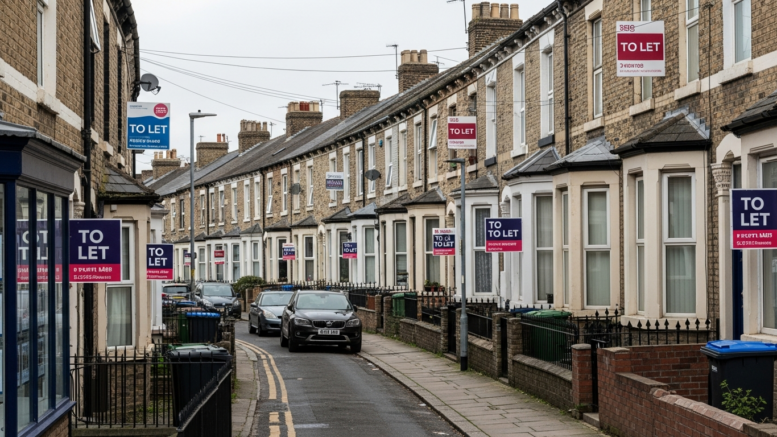
Propertymark has warned that any move by Rachel Reeves to impose extra rent controls in England would push up costs, reduce supply and make it harder for tenants to find homes, adding to landlord concern just days before the Renters Rights Act comes into force.
Need the wider rent-rule picture? Read Landlord Knowledge’s Rent increase rules guide for the Section 13 process, tribunal challenge risk and the key compliance points landlords should watch.
Propertymark attacks rent control talk
The trade body was responding to reports that the chancellor is considering a one-year rent freeze or other emergency steps to limit pressure on household budgets. Timothy Douglas, head of policy and campaigns at Propertymark, said it was “alarming” to hear that further controls were under discussion when ministers had recently played down the case for them.
Douglas said the government was already pushing through major regulatory change via the Renters Rights Act. He argued that adding rent controls on top would mean less flexibility and higher costs for both landlords and tenants, while doing little to fix the deeper shortage of homes to rent.
He said evidence from other parts of the UK, especially Scotland, showed that rent controls can restrict supply, deter investment and reduce choice for tenants. For landlords, the message is clear: another intervention on rental pricing would add a fresh layer of uncertainty at the exact point many are already reworking tenancy strategy, finance and compliance ahead of 1 May.
Landlords already facing reform pressure
This follows Landlord Knowledge’s report on landlord exit plans before the Renters Rights Act deadline, which found the share of landlords planning to sell had eased but remained high as the new regime approached. The latest row over rent controls suggests Westminster may still be willing to go further if political pressure over living costs intensifies.
That matters because landlords are not just weighing one reform in isolation. Many are already factoring in the loss of Section 21, tighter rules on rent rises and wider compliance demands. Landlord Knowledge recently reported that small landlords will need more help to cope with the Renters Rights Act, underlining how stretched parts of the sector already feel.
Supporters of intervention say rent controls could shield tenants from sudden price shocks if inflation worsens. But the concern for investors is that short-term political fixes tend to become long-term market distortions. Reports in the Guardian’s report on a possible one-year rent freeze suggested ministers are exploring options as part of a wider cost-of-living package.
What this means for landlords
- If you’re reviewing rents: expect more political scrutiny of increase levels, even before any formal policy is announced.
- Watch for: whether ministers stick to their previous anti-rent-control stance once the Renters Rights Act is live.
- Bottom line: landlords may need to price more cautiously and keep a closer eye on policy risk as well as tenant demand.
Editor’s view
Rent controls are the kind of policy that sound simple in a headline but create real knock-on problems in the market. If ministers are serious about affordability, increasing supply would do more for tenants than making private landlords shoulder another emergency intervention.
Author: Editorial Team – UK landlord & buy-to-let news, policy, and finance
Published: 29 April 2026
Sources: Propertymark press release, The Guardian
Related reading: Scottish election puts landlord tax and rent controls on ballot
📘 Renters’ Rights Act: Complete Landlord Guide
Everything you need to know about the new rules – 1 May 2026