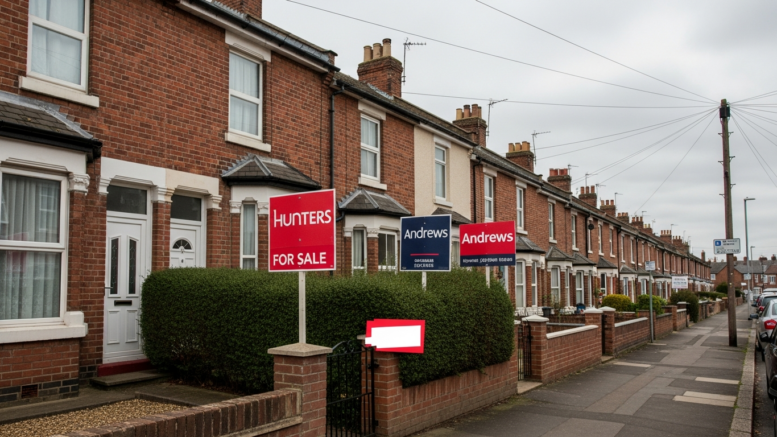
The so-called landlord exodus appears to be slowing, with the majority of property investors now in a holding pattern ahead of the Renters’ Rights Act on 1 May – but a significant minority remain intent on leaving the sector.
New research from lettings technology platform Goodlord, surveying more than 1,200 landlords, shows 72 percent are neither buying nor selling properties at present. However, almost one in four – 24 percent – are actively selling or looking to sell some or all of their portfolio.
Pace of exits slowing but not stopped
The figures represent an improvement from September 2025, when Goodlord found a third of landlords had sold or actively tried to sell properties in the previous 12 months. The easing pace aligns with recent rental data showing year-on-year rent inflation at 2 percent in February 2026 – down from 4 percent at the same point in 2025.
Data from TwentyCi also shows a reduction in former rental properties being listed for sale so far in 2026, reinforcing the trend of landlords adopting a wait-and-see approach.
Only 4 percent of landlords say they are actively investing in new properties, creating a significant imbalance between those exiting and those expanding. This follows Landlord Knowledge’s report on landlord awareness, which found a quarter still unaware of how the RRA will affect them with just weeks to go.
Long-term outlook remains uncertain
More concerning for the sector’s stability is the proportion of landlords uncertain about their future in the private rented sector. One third – 35 percent – do not believe they will still be landlords in five years, while a further 21 percent remain undecided.
Only 44 percent of current landlords believe they will remain in the market by 2031, and some of those expect to hold a smaller portfolio by then. The findings echo research from Paragon Bank showing seven in ten landlords plan stricter tenant vetting once the new rules take effect.
Emily Popple, Director of Landlord Experience at Goodlord, said the numbers provide initial indications that the pace of exits has started to ease.
“Many will be waiting to see what the real world implications of the Renters’ Rights Act are, once it comes into force on May 1,” she said.
“Whilst fewer landlords leaving the sector is definitely good news, the wider signals are still concerning. Far too many don’t see a future for themselves in the PRS and there’s only a very small cohort investing in portfolio expansion.”
Popple added: “Through the right policy decisions and support systems, the Government has an opportunity to retain rather than lose the significant cohort of landlords who are on the fence about their future and considering selling up. That’s something policy makers should take very seriously. Otherwise the supply and demand pressures pushing up rents for tenants will only persist.”
What this means for landlords
- If you’re undecided: The market is waiting for clarity on how the RRA will work in practice – there may be less urgency to sell before May than previously thought.
- If you’re expanding: With only 4 percent of landlords actively buying, competition for quality stock is limited – but ensure yields account for potential compliance costs.
- Watch for: Post-1 May enforcement patterns and tribunal decisions that will shape the practical impact of the new rules.
- Bottom line: The exodus has slowed but not stopped – and long-term confidence remains fragile.
Editor’s view
A slowdown in exits is welcome news for a sector under pressure, but the underlying numbers tell a more troubling story. When barely four in ten landlords expect to remain in the market within five years, the supply crisis is far from resolved – it is merely pausing for breath.
Author: Editorial Team – UK landlord & buy-to-let news, policy, and finance
Published: 7 April 2026
Sources: Goodlord
Related reading: Seven in ten landlords plan stricter tenant checks ahead of RRA
📘 Renters’ Rights Act: Complete Landlord Guide
Everything you need to know about the new rules – 1 May 2026