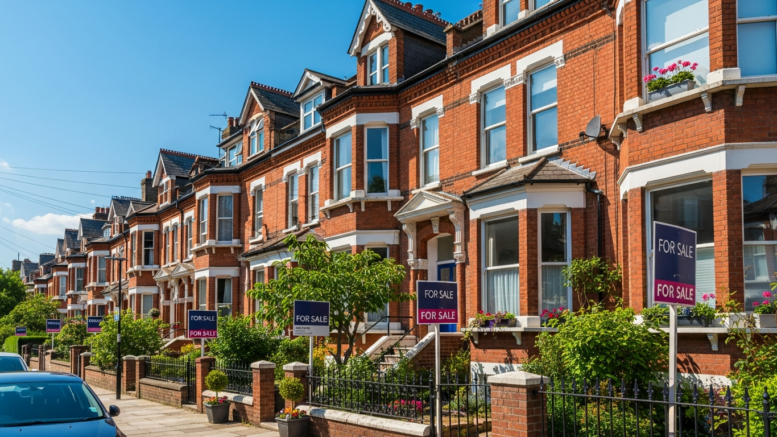
Homebuyers paid £995 million in stamp duty in February, an 11 percent rise on January’s intake, according to HMRC figures released this week – though the figure remains slightly below the £1 billion collected in February 2025.
The data shows the cumulative impact of last April’s threshold changes continuing to affect buyers, including landlords facing the 5 percent additional surcharge on second properties. Since the start of the 2025-26 financial year, buyers have paid a combined £14 billion in stamp duty.
Thresholds have not kept pace with prices
Jonathan Stinton, head of intermediary relationships at Coventry Building Society, said stamp duty had become the “hidden cost” of moving home. Analysis from the building society found that buyers paid £15.4 billion in stamp duty in 2025 – 18 percent higher than the £13 billion paid in 2024.
“The problem is the system hasn’t kept pace with house prices,” Stinton said. “The £125,000 threshold might have seemed appropriate a decade ago, but the average house price has climbed nearly £100,000 since then – meaning more people are pulled into a higher tax band by default rather than design.”
This follows Landlord Knowledge’s January report on SDLT receipts hitting £899m, showing a consistent pattern of elevated tax collection since the threshold changes took effect. The 11 percent monthly rise suggests sustained transaction activity despite higher upfront costs.
Inheritance tax also rises
The HMRC data also revealed inheritance tax receipts of £614 million in February, up from £537 million the previous month. Since April, £7.7 billion has been collected in IHT – £100 million more than the same period last year.
Will Hale, CEO of Key Equity Release, said tighter IHT rules were reshaping how advisers approached asset planning. “With pensions set to fall into IHT calculations next April, the old drawdown sequencing rules are being rewritten,” he said. “Those over 55 hold £3.7 trillion in property equity and it’s key that the home forms part of wealth drawdown and legacy planning advice.”
For landlords with substantial property portfolios, the combination of rising CGT, stamp duty, and looming IHT changes continues to shape exit and restructuring decisions.
What this means for landlords
- If you are buying: Factor in the full stamp duty cost early – the 5 percent surcharge on a £300,000 property adds £15,000 to upfront costs.
- Watch for: Spring Statement announcements – industry bodies continue to call for threshold reforms.
- Bottom line: The elevated tax take shows property transactions remain steady despite costs – but profit margins are being squeezed from multiple directions.
Editor’s view
Stamp duty is no longer just a tax on home movers – it is a significant cost of doing business for landlords. Until thresholds are updated, it will continue to act as a drag on investment returns and a barrier to portfolio expansion.
Author: Editorial Team – UK landlord & buy-to-let news, policy, and finance
Published: 23 March 2026
Sources: HMRC, Coventry Building Society, Key Equity Release
Related reading: SDLT receipts hit £899m as property investors absorb threshold cuts